Future of Food: How Supply Chain Disruptions Are Driving a 10% Increase in Grocery Prices for 2026
Advertisements
Have you noticed your weekly grocery bill creeping up lately? Feeding your family is becoming increasingly complex as global bottlenecks and logistics challenges reshape the entire agricultural landscape.
This shift is central to the Future of Food, where modern supply chain disruptions are directly impacting supermarket shelves. Recent data reveals these systemic vulnerabilities are driving a projected 10% hike in retail grocery prices.
Understanding these agricultural and economic shifts is crucial for managing your household budget. Here is what changed, why it matters for your wallet, and what to watch next as the global food market adapts.
Understanding the Looming Grocery Price Hike
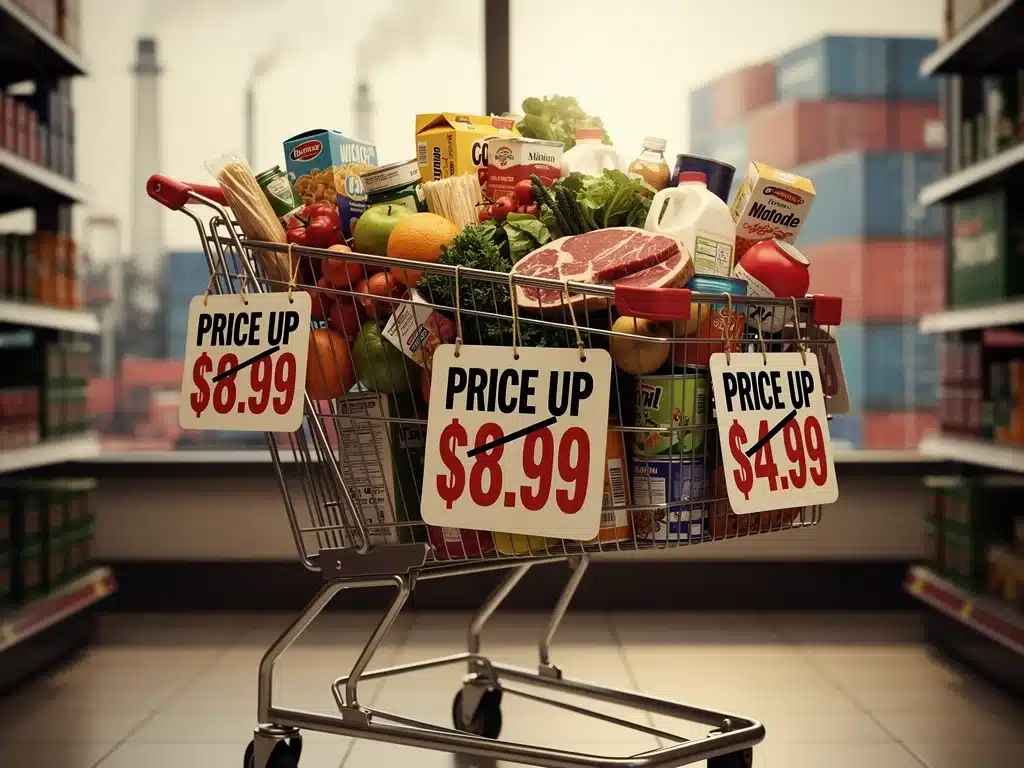
The United States is bracing for a significant shift in consumer spending as forecasts indicate a substantial rise in grocery prices over the next few years. Experts are projecting that global supply chain disruptions will be the primary catalyst, leading to an estimated 10% increase in food costs by 2026.
This anticipated surge in prices is not merely an economic statistic; it represents a direct impact on American households, affecting everything from weekly grocery budgets to the overall cost of living.
The implications extend far beyond the checkout aisle, influencing food security and dietary choices for millions.
The convergence of various factors, including geopolitical tensions, climate change, and persistent labor shortages, continues to strain the intricate global network responsible for bringing food to our tables.
These pressures are intensifying, setting the stage for a challenging period for both consumers and the food industry.
The Ripple Effect of Global Supply Chain Issues
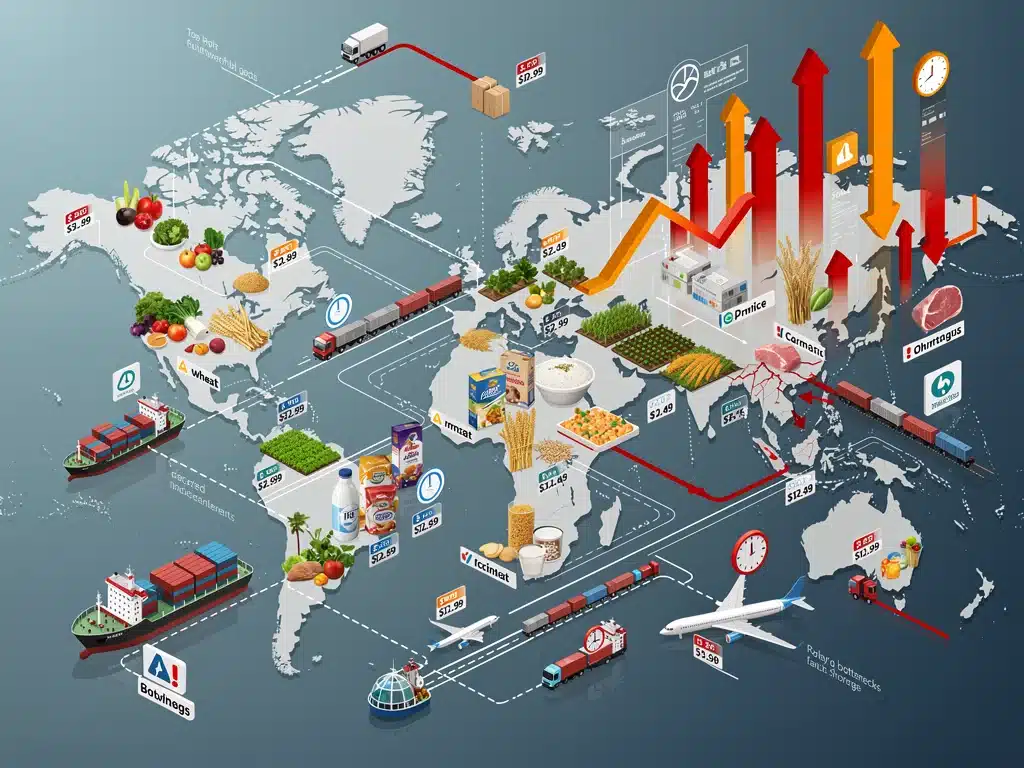
Global supply chains, already fragile from recent world events, face renewed and intensifying pressures that directly impact food production and distribution.
Delays at ports, increased shipping costs, and a scarcity of vital components like packaging materials are creating bottlenecks at every stage.
These disruptions are not isolated incidents but rather a complex web of interconnected challenges that reverberate throughout the entire food ecosystem. From farm to fork, each delay or cost increase accumulates, ultimately translating into higher prices for consumers.
The reliance on a globalized food system means that problems in one region can quickly cascade, affecting availability and affordability worldwide. This interconnectedness makes the food supply particularly vulnerable to widespread disruptions, making future food prices a significant concern.
Geopolitical Tensions and Trade Barriers
Escalating geopolitical tensions around the globe are increasingly contributing to the instability of food supply chains. Trade disputes, sanctions, and regional conflicts disrupt established trade routes and limit the flow of essential agricultural commodities.
These international dynamics introduce unpredictable variables into an already complex system, making it difficult for producers and distributors to plan effectively. As a result, the cost of importing and exporting food items rises, directly impacting the final price consumers pay.
Climate Change and Agricultural Yields
The undeniable impacts of climate change are profoundly affecting agricultural yields worldwide, posing a significant threat to global food security.
Extreme weather events, including droughts, floods, and unseasonable temperatures, are becoming more frequent and severe, damaging crops and reducing harvests.
These environmental shifts directly reduce the quantity of available produce, driving up prices due to scarcity. Farmers face increasing challenges in maintaining consistent production, leading to greater volatility in the market and higher future food prices.
Labor Shortages and Production Costs
The food industry continues to grapple with persistent labor shortages across various segments, from agricultural workers to truck drivers and processing plant employees. This scarcity of labor has a direct and substantial impact on the cost of producing and distributing food.
To attract and retain workers, companies are often forced to increase wages and offer better benefits, which then translates into higher operational costs. These increased expenses are inevitably passed on to consumers in the form of elevated grocery prices.
Furthermore, a shortage of skilled labor can lead to inefficiencies in production and slower distribution cycles, exacerbating existing supply chain issues. This bottleneck effect contributes significantly to the projected 10% increase in grocery prices by 2026.
Rising Energy and Transportation Expenses
The cost of energy, particularly fuel, remains a critical factor in the overall expense of bringing food to market. Fluctuations in global oil prices directly impact transportation costs, affecting everything from farm machinery to long-haul trucking and international shipping.
As energy prices climb, so does the cost of production and distribution, creating upward pressure on food prices. These increases are a significant component of the broader inflationary trend consumers are experiencing, contributing to the concerning rise in future food prices.
Packaging Material Scarcity
A less obvious but equally impactful factor contributing to rising food costs is the scarcity and increased price of packaging materials.
Components like plastics, cardboard, and aluminum have seen significant price hikes and supply disruptions, affecting nearly all packaged food products.
Food manufacturers rely heavily on these materials to protect, preserve, and transport their goods safely to consumers. When packaging costs rise, it adds another layer to the overall production expense, ultimately pushing up retail grocery prices.
Government and Industry Responses to Food Inflation
Governments and food industry stakeholders are actively seeking strategies to mitigate the impact of these rising costs and stabilize the food supply. Initiatives range from policy adjustments to technological innovations aimed at improving efficiency and resilience.
These responses are crucial in addressing the challenges posed by disrupted supply chains and the anticipated 10% increase in grocery prices by 2026. Collaboration between public and private sectors is essential to developing effective long-term solutions.
While some measures offer immediate relief, many are focused on building a more robust and sustainable food system for the future. The goal is to cushion consumers from the full force of inflation and ensure continued access to affordable food.
Strategic Reserves and Trade Agreements
Governments are exploring the establishment or expansion of strategic food reserves to buffer against sudden supply shocks and price spikes. These reserves can provide a safety net, ensuring essential food items remain available during periods of crisis or extreme scarcity.
Simultaneously, new trade agreements and revisions to existing ones are being pursued to diversify sourcing and reduce reliance on single regions or suppliers.
Such agreements aim to create more stable and predictable international trade environments for agricultural products, which directly influences future food prices.
Technological Innovations in Agriculture
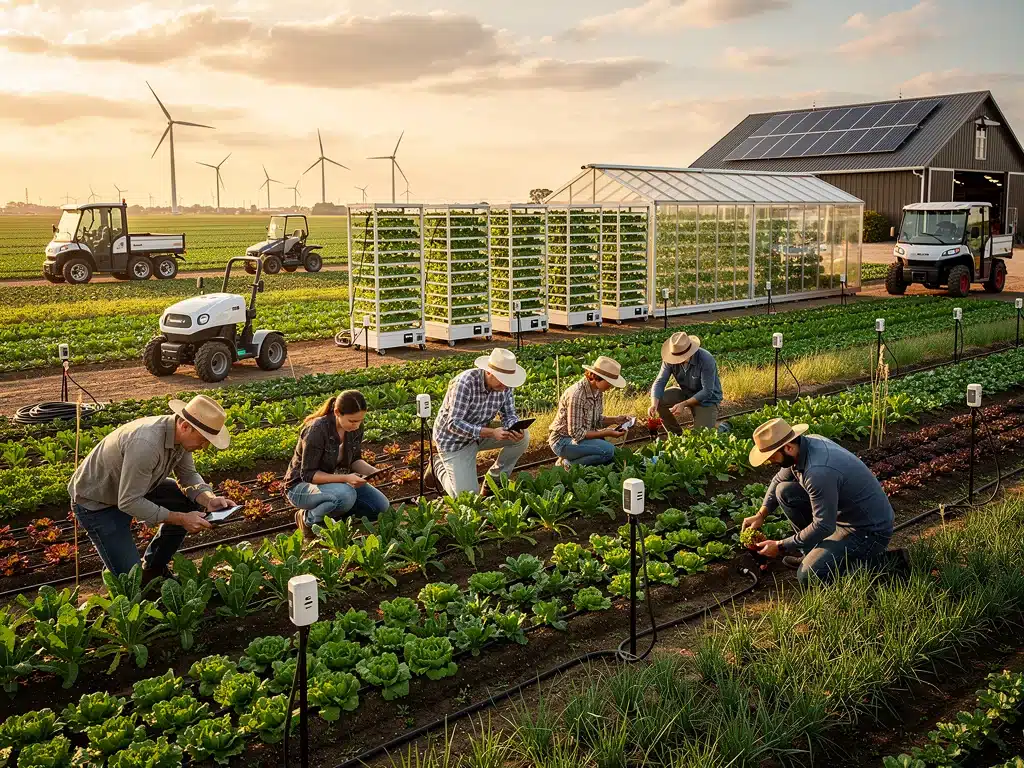
Advancements in agricultural technology, often referred to as AgTech, are playing an increasingly vital role in enhancing food production efficiency and resilience.
Innovations like precision farming, vertical farming, and genetically modified crops offer the potential to increase yields while reducing resource consumption.
These technologies can help farmers adapt to changing climate conditions and optimize their operations, thereby stabilizing production costs in the long run. Investing in AgTech is seen as a key strategy to counteract the inflationary pressures on food prices.
Consumer Strategies for Navigating Higher Prices
As the projected 10% increase in grocery prices by 2026 draws nearer, consumers are seeking practical strategies to manage their household budgets effectively. Adapting shopping habits and embracing new approaches to food consumption can help mitigate the financial impact.
Understanding where these price hikes are most likely to occur can empower individuals to make informed choices at the grocery store. Proactive planning is becoming an essential tool for maintaining affordability in the face of rising costs.
From meal prepping to exploring local food sources, various methods can help families navigate this challenging economic landscape. The focus is on maximizing value and minimizing waste to stretch every dollar further, given the expected future food prices.
Budgeting and Meal Planning
Effective budgeting and meticulous meal planning are becoming indispensable tools for consumers facing rising grocery costs. Creating a detailed weekly or monthly food budget helps individuals track spending and identify areas where savings can be made.
Meal planning, including preparing meals in advance and utilizing leftovers, significantly reduces food waste and impulse purchases. This disciplined approach can help families maintain control over their food expenses amidst the anticipated 10% increase in grocery prices by 2026.
Exploring Local and Seasonal Produce
Shifting towards local and seasonal produce offers several advantages for consumers looking to counter rising food prices. Locally sourced foods often have shorter supply chains, which can translate into lower transportation costs and fresher products.
Buying produce when it is in season typically means it is more abundant and therefore cheaper. This approach not only supports local farmers but also provides a more sustainable and often more nutritious option for families navigating the challenges of future food prices.
The Long-Term Outlook for Food Security
The long-term outlook for food security is increasingly tied to the ability of global systems to adapt to persistent disruptions and climate change. The projected 10% increase in grocery prices by 2026 serves as a stark reminder of the vulnerabilities inherent in our current food supply.
Ensuring that nutritious food remains accessible and affordable for all populations requires a multifaceted approach, blending innovation with policy changes. The discussions around future food prices are intrinsically linked to broader questions of sustainability and equity.
Building resilient food systems that can withstand future shocks is paramount. This involves not only addressing immediate price concerns but also investing in infrastructure, research, and community-level initiatives that promote self-sufficiency and environmental stewardship.
Investment in Resilient Food Systems
Significant investment is required to build more resilient food systems capable of withstanding future shocks and mitigating price volatility.
This includes funding for sustainable agricultural practices, infrastructure improvements, and diverse food production methods.
Such investments aim to reduce dependence on fragile global supply chains and enhance local and regional food self-sufficiency. A robust food system is key to stabilizing future food prices and ensuring long-term food security for everyone.
Policy Reforms and International Cooperation
Effective policy reforms and strengthened international cooperation are critical for addressing the systemic issues driving food inflation.
Governments need to implement policies that support farmers, streamline supply chains, and regulate market speculation that can exacerbate price increases.
Collaborative efforts among nations are essential to tackle global challenges like climate change, trade imbalances, and resource scarcity. These coordinated actions are vital for creating a more equitable and stable global food environment, ultimately impacting future food prices.
| Key Point | Brief Description |
|---|---|
| Grocery Price Surge | Projected 10% increase by 2026 due to supply chain issues. |
| Supply Chain Drivers | Geopolitical tensions, climate change, labor/energy costs. |
| Consumer Impact | Higher household budgets, need for strategic shopping. |
| Mitigation Strategies | Government policies, AgTech investment, consumer adaptation. |
Frequently Asked Questions About Food Price Increases
The projected 10% increase in grocery prices by 2026 is primarily driven by a confluence of global supply chain disruptions. Key factors include escalating geopolitical tensions, the accelerating impacts of climate change on agricultural yields, persistent labor shortages across the food industry, and rising energy and transportation costs for distribution. These elements collectively strain the entire food production and delivery system.
Average American households will experience a direct financial impact through increased weekly and monthly grocery bills. This will necessitate adjustments to household budgets, potentially leading to changes in dietary habits, reduced discretionary spending, and a greater emphasis on value-driven purchasing. The overall cost of living will also see an upward pressure due to these significant food cost escalations, affecting future food prices.
Governments are exploring strategic food reserves and new trade agreements to diversify sourcing and stabilize supply. The food industry is investing in technological innovations like precision agriculture and automation to improve efficiency and reduce production costs. Both sectors are collaborating on policy reforms aimed at strengthening supply chains and mitigating the impact of future food prices on consumers.
Consumers can adopt several strategies, including meticulous budgeting and meal planning to reduce waste and optimize spending. Exploring local and seasonal produce markets can offer fresher, often more affordable options due to shorter supply chains. Additionally, buying in bulk when feasible, utilizing coupons, and cooking more at home are effective ways to manage the financial strain of the projected 10% increase in grocery prices.
While some fluctuations are inherent to markets, the current projections suggest that the 10% increase in grocery prices by 2026 reflects more of a long-term trend. The underlying causes—climate change, geopolitical instability, and structural labor issues—are systemic, indicating that sustained efforts toward building resilient and sustainable food systems will be necessary to stabilize future food prices over the coming decades.
Looking Ahead
The anticipated 10% increase in grocery prices by 2026 underscores a critical juncture for the global food system and American consumers.
This forecast is not just a warning but a call to action for all stakeholders to re-evaluate and fortify the complex networks that deliver food to our tables. The future of food hinges on innovation, collaboration, and adaptive strategies.
What this means is a necessary shift towards more resilient, localized, and sustainable food production and distribution models.
Consumers will need to remain vigilant, adapting their purchasing habits while policymakers and industry leaders accelerate efforts to build a more secure and affordable food supply for the long term.
Monitoring these developments, understanding their root causes, and implementing proactive measures will be paramount in navigating the economic landscape ahead.
The journey toward more stable future food prices requires collective commitment and informed decision-making to ensure food security for all.
