EV Boom: US Sales Up 20% in the Past 6 Months, But What Are the Hidden Costs for Consumers?
Advertisements
The American automotive market is charging ahead, with the EV Boom driving a massive 20% surge in sales over the last six months. But as battery-powered cars flood the streets, a crucial question emerges: are we truly ready for what lies beneath the sticker price?
While the rapid adoption of clean energy vehicles dominates the headlines, early adopters are discovering that going green isn’t just about saving on gas. This sudden shift is exposing a complex financial reality that many prospective buyers might not see coming.
To help you navigate this massive transition to sustainable transport, we are diving deep into the unexpected expenses of ownership. From premium insurance rates to specialized maintenance, here is what you actually need to know before making the switch.
The Unstoppable Surge: US EV Sales Skyrocket
The United States has witnessed a remarkable acceleration in electric vehicle adoption, with sales figures climbing by an impressive 20% over the last six months.
This surge reflects growing consumer interest in sustainable transportation and technological advancements in EV models.
Automakers are responding with expanded lineups and increased production, signaling a long-term commitment to electrification. Government incentives and a rising awareness of environmental benefits are also contributing factors to this rapid market expansion.
However, beneath the exciting statistics lies a critical discussion about the broader financial implications for consumers. While the initial appeal of EVs is strong, understanding the full cost of ownership is paramount for informed decisions.
Beyond the Sticker Price: Initial Investment Considerations
While federal and state tax credits can partially offset the purchase price of an electric vehicle, the initial outlay often remains higher than that of comparable gasoline-powered cars. This upfront cost can be a significant barrier for many potential buyers.
The technology embedded in EVs, particularly the battery packs, contributes substantially to their manufacturing expense. As battery technology evolves, prices are expected to decrease, but for now, this remains a key factor.
Consumers must also factor in the cost of installing a home charging station, which is almost a necessity for practical daily use. This infrastructure investment, while long-term, adds to the immediate financial burden.
Federal and State Incentives Explained
Various government programs aim to make EVs more accessible by offering tax credits and rebates. These incentives can significantly reduce the effective purchase price, making high-end models more attainable.
However, eligibility requirements often vary by income level, vehicle manufacturer, and even battery capacity. Potential buyers must carefully research the specific incentives available in their region and for their chosen model.
- Federal tax credits up to $7,500 for qualifying new EVs.
- State and local rebates, often ranging from $500 to $5,000.
- Limitations based on vehicle MSRP and buyer’s adjusted gross income.
Home Charging Installation Costs
For optimal convenience, installing a Level 2 charger at home is highly recommended. This allows for faster charging times compared to standard wall outlets, ensuring the vehicle is ready for daily commutes.
The cost of installation can vary widely depending on existing electrical infrastructure and the need for panel upgrades. An electrician’s assessment is crucial to determine the exact expenses involved.
- Average cost for Level 2 charger unit: $300-$700.
- Installation costs: $800-$2,000, potentially higher for panel upgrades.
- Permit requirements and local regulations can add to the complexity and cost.

The Realities of Charging: Public vs. Home Expenses
While charging an EV is generally cheaper than fueling a gasoline car, the costs associated with public charging can quickly add up. Understanding the nuances of charging infrastructure and pricing models is essential.
Home charging, especially during off-peak hours, offers the most economical solution for most EV owners. However, reliance on public fast chargers, particularly during long trips, introduces variable and often higher expenses.
The availability and reliability of public charging stations also play a significant role in the overall ownership experience and cost. A robust infrastructure is still under development in many areas, impacting convenience and pricing.
Public Charging Network Fees
Public charging networks typically charge per kilowatt-hour (kWh) or per minute, with prices fluctuating based on location, time of day, and charging speed. Fast DC chargers, while convenient, are generally the most expensive option.
Subscription plans offered by some networks can provide discounts, but this requires committing to a specific provider. The lack of a universal pricing standard can make budgeting for public charging challenging for consumers.
Impact on Home Electricity Bills
Charging an EV at home will undeniably increase household electricity consumption. The extent of this increase depends on driving habits, vehicle efficiency, and local electricity rates.
Many utility companies offer time-of-use (TOU) rates, encouraging EV owners to charge during off-peak hours when electricity is cheaper. Smart charging systems can help automate this process, optimizing cost savings.
However, for households with older electrical systems, an upgrade might be necessary to accommodate the increased load, adding another potential hidden cost to the equation.
Maintenance and Repairs: A Different Kind of Bill
Electric vehicles generally have fewer moving parts than internal combustion engine (ICE) cars, leading to lower routine maintenance costs like oil changes. However, specialized EV components can present unique and potentially expensive repair scenarios.
Battery degradation, while slow, is a long-term concern, and battery replacement can be a significant expense if it occurs outside the warranty period. The advanced electronics also require specialized diagnostic tools and technicians.
Brake wear can be reduced due to regenerative braking, but other components like tires may wear faster due to the instantaneous torque and heavier weight of EVs. This contributes to the overall Electric Vehicle Hidden Costs.
Battery Health and Replacement Costs
EV batteries are designed to last for many years and miles, typically covered by warranties ranging from 8 to 10 years or 100,000 to 150,000 miles. However, battery capacity naturally degrades over time.
While full battery replacement is rare, it can be extremely costly, potentially ranging from $5,000 to $20,000 or more, depending on the vehicle model and battery size. This represents a significant potential hidden cost.
Ongoing advancements in battery technology and recycling efforts are aimed at reducing these long-term expenses, but for current owners, it remains a consideration.
Specialized EV Servicing
Routine maintenance for EVs includes tire rotations, brake inspections, and cabin air filter replacements, similar to ICE vehicles. However, diagnostics and repairs for the electric powertrain require specialized training and equipment.
Not all service centers are equipped to handle EVs, which can limit options and potentially increase labor costs. Finding certified technicians for complex issues is crucial, emphasizing the importance of dealer networks.
Insurance Premiums and Resale Value Insights
Insurance costs for electric vehicles can sometimes be higher than for their gasoline counterparts. This is often attributed to the higher initial purchase price, the cost of specialized parts, and the limited availability of repair facilities for complex EV components.
However, as the market matures and repair networks expand, these costs are expected to stabilize. Insurers are also adapting their models to better reflect the true risk profile of EVs.
The resale value of electric vehicles is another dynamic factor. While early models faced rapid depreciation, newer EVs with longer ranges and improved technology are holding their value better, yet it’s still an evolving market.
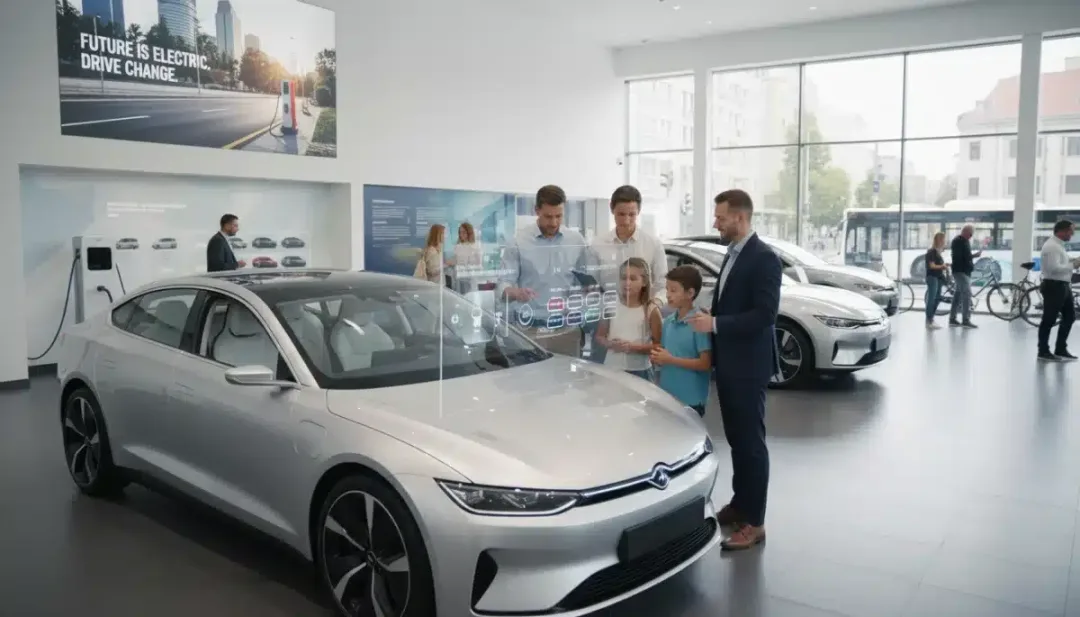
Understanding EV Insurance Rates
Several factors contribute to EV insurance premiums, including the vehicle’s make and model, the owner’s driving record, and geographical location. The advanced technology and higher repair costs often push premiums upwards.
Some insurers offer discounts for EVs, recognizing their safety features or environmental benefits. It is advisable for prospective buyers to obtain multiple quotes to compare rates and coverage options.
As more data becomes available on EV accidents and repair costs, insurance companies will refine their pricing models, potentially leading to more favorable rates in the future. The Electric Vehicle Hidden Costs in insurance are a key consideration.
Evolving Resale Market for EVs
The resale value of electric vehicles has historically been a point of concern for some consumers. Early EV models, particularly those with shorter ranges, depreciated faster than comparable ICE vehicles.
However, the rapid pace of technological advancement means newer EVs are offering competitive ranges and performance, which helps bolster their long-term value. Market demand also plays a crucial role in determining resale prices.
Factors like battery health, warranty status, and the continuous introduction of new models will continue to influence how well EVs retain their value over time, impacting the overall Electric Vehicle Hidden Costs.
Infrastructure Limitations and Travel Considerations
Despite significant investments, the public charging infrastructure in the US is still developing. This can lead to range anxiety and inconvenience, especially for drivers embarking on long-distance journeys.
While charging options are expanding, their distribution can be uneven, concentrating in urban areas and major corridors. Rural regions often have limited access, posing challenges for EV owners.
Planning long trips requires careful consideration of charging stops, charging speeds, and potential wait times. This logistical overhead is part of the broader Electric Vehicle Hidden Costs that consumers encounter.
Charging Infrastructure Gaps
The current charging network, while growing, still has significant gaps in coverage, particularly in less populated areas. This disparity can deter potential EV buyers who frequently travel outside metropolitan centers.
Standardization of charging connectors and payment systems is also an ongoing challenge. The fragmentation can create confusion and inconvenience for drivers trying to access different networks.
Addressing these infrastructure limitations is crucial for sustained EV growth and for reducing the perceived and actual hidden costs for consumers.
Impact on Long-Distance Travel
Long-distance travel in an EV requires more planning than with a gasoline car. Drivers must account for charging stops, which can add significant time to a journey, especially if fast chargers are scarce or occupied.
The maximum range of an EV is also affected by factors like speed, temperature, and terrain, meaning real-world range can be less than advertised. This necessitates conservative planning for extended trips.
For many, the convenience of quickly refueling a gasoline car still outweighs the benefits of an EV for certain types of long-haul travel, highlighting a key area where Electric Vehicle Hidden Costs are felt.
The Environmental Footprint: A Broader Perspective
While electric vehicles are often touted for their zero tailpipe emissions, it’s important to consider their full lifecycle environmental impact. This includes the manufacturing process, particularly battery production, and the source of electricity used for charging.
The mining of raw materials for batteries can have significant environmental consequences. However, advancements in battery recycling and sustainable manufacturing practices are continually improving the overall footprint.
The environmental benefits of EVs are most pronounced when charged with electricity from renewable sources, emphasizing the importance of a clean energy grid. This broader perspective informs the true value proposition of EVs, beyond just the Electric Vehicle Hidden Costs.
Battery Production and Raw Materials
The production of EV batteries is resource-intensive, requiring materials such as lithium, cobalt, and nickel. The extraction of these materials can lead to environmental degradation and ethical concerns in some regions.
However, ongoing research and development are focused on creating more sustainable battery chemistries and improving mining practices. The industry is actively seeking ways to reduce its reliance on problematic materials.
The carbon footprint of battery manufacturing is a significant component of an EV’s overall environmental impact, an aspect that is continuously being optimized through technological innovation.
Grid Impact and Renewable Energy
The environmental benefits of an EV are directly tied to the carbon intensity of the electricity grid from which it draws power. Charging an EV with electricity generated from coal, for example, diminishes its overall green credentials.
As renewable energy sources like solar and wind power become more prevalent in the energy mix, the environmental advantages of EVs will strengthen. Smart charging can also help balance grid demand by charging during off-peak, high-renewable periods.
The transition to a cleaner energy grid is a parallel effort to the adoption of EVs, both contributing to a more sustainable future. This synergy minimizes the indirect Electric Vehicle Hidden Costs related to environmental impact.
| Key Point | Brief Description |
|---|---|
| Initial Purchase Cost | EVs often have higher upfront prices, despite available federal and state incentives. |
| Charging Infrastructure | Home charger installation and public charging fees add to ownership expenses. |
| Maintenance & Repairs | Specialized servicing and potential battery replacement can be costly. |
| Insurance & Resale | Higher insurance premiums and fluctuating resale values present financial considerations. |
Frequently Asked Questions About EV Ownership Costs
Are electric vehicles truly cheaper to fuel than gasoline cars?▼Generally, yes, charging an EV at home, especially during off-peak hours, is more cost-effective than buying gasoline. However, reliance on public fast chargers can significantly increase these costs, narrowing the gap. The savings depend heavily on local electricity rates and driving habits, making it a variable factor in the overall Electric Vehicle Hidden Costs.
What is the average cost of installing a home EV charger?▼The average cost for a Level 2 home charger installation typically ranges from $800 to $2,000, not including the charger unit itself. This can increase if your home’s electrical panel requires an upgrade to support the higher power demand. It’s a key initial investment adding to the Electric Vehicle Hidden Costs.
Do electric vehicles have higher insurance premiums?▼EV insurance premiums can sometimes be higher due to their higher purchase price, advanced technology, and specialized repair requirements. However, this varies by insurer and vehicle model. It’s crucial to compare quotes from multiple providers to find the best rates and understand the impact on Electric Vehicle Hidden Costs.
How long do EV batteries last, and what is the replacement cost?▼Most EV batteries are warrantied for 8-10 years or 100,000-150,000 miles. While full replacement is rare, it can cost anywhere from $5,000 to $20,000 or more, depending on the battery size and vehicle. Battery degradation over time is normal, but significant failure is uncommon under warranty, influencing long-term Electric Vehicle Hidden Costs.
Are there enough charging stations for long-distance travel?▼While the charging infrastructure is rapidly expanding, significant gaps remain, especially in rural areas. Long-distance EV travel requires careful planning, as charging availability and speed can vary. This logistical challenge is one of the practical Electric Vehicle Hidden Costs that consumers must consider for extended journeys, impacting convenience and travel time.
Impact and Implications
The sustained growth of the electric vehicle market, with US sales up 20% in the past six months, signals a clear shift in consumer preference and industry direction.
However, this momentum necessitates a comprehensive understanding of the Electric Vehicle Hidden Costs that consumers will encounter.
Addressing these financial considerations, from charging infrastructure to maintenance and insurance, is vital for the long-term success and widespread adoption of EVs.
As technology advances and infrastructure improves, many of these hidden costs are expected to decrease, making EVs an even more attractive option.
Prospective buyers should conduct thorough research and factor in all potential expenses to make informed decisions, ensuring that the excitement of owning an EV is matched by a sustainable and predictable financial experience.
The evolution of the EV market will continue to redefine the landscape of personal transportation.