New Federal Energy Efficiency Standards 2025: Home Updates
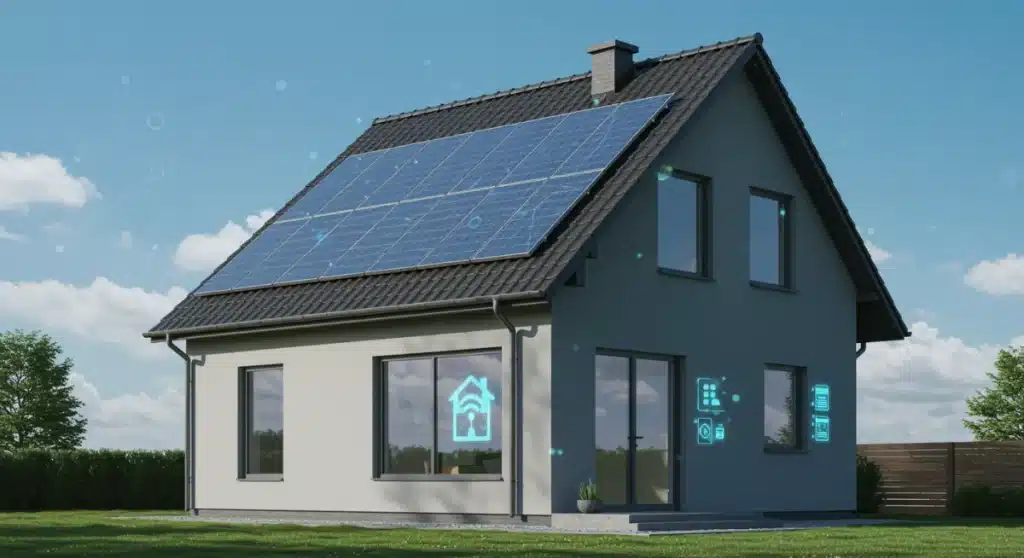
Understanding the New Federal Energy Efficiency Standards for 2025: What They Mean for Your Home (RECENT UPDATES) is becoming an increasingly important topic for homeowners across the United States. As the federal government continues its push towards a more sustainable and energy-independent future, new regulations are set to take effect, profoundly impacting everything from the appliances we purchase to the way our homes are heated and cooled. These changes aren’t just about compliance; they represent a significant opportunity for long-term savings and a reduced environmental footprint.
Staying informed about these evolving standards is essential. For many, the thought of new regulations can bring concerns about increased costs or complex upgrades. However, with proper understanding and proactive planning, homeowners can navigate these changes smoothly, ensuring their properties remain efficient, comfortable, and compliant. This article delves into the specifics of the 2025 standards, offering clarity and practical advice to help you prepare.
Decoding the Federal Energy Standards 2025: A Comprehensive Overview
The landscape of home energy consumption is constantly evolving, driven by technological advancements and environmental imperatives. The upcoming federal energy standards 2025 represent a significant leap in this evolution, aiming to reduce residential energy use and greenhouse gas emissions across the nation. These standards are not arbitrary; they are the result of extensive research and collaboration, designed to deliver tangible benefits to both consumers and the planet.
At their core, the 2025 standards target key areas of household energy use, particularly focusing on major appliances and heating, ventilation, and air conditioning (HVAC) systems. The goal is to ensure that new products entering the market are more efficient than their predecessors, thereby lowering utility bills for homeowners and decreasing the overall energy demand. This proactive approach helps to mitigate climate change while simultaneously empowering consumers to make smarter, more economical choices.
Key Areas Affected by the 2025 Standards
- HVAC Systems: New minimum efficiency ratings for furnaces, air conditioners, and heat pumps will require manufacturers to produce more advanced units.
- Water Heaters: Both tank-style and tankless water heaters will see increased efficiency requirements, pushing towards greater energy recovery and reduced standby losses.
- Refrigerators and Freezers: While already highly efficient, these appliances will face even stricter energy consumption limits.
- Lighting: The shift towards LED lighting will be further solidified, with regulations phasing out less efficient incandescent and fluorescent options.
Understanding these specific areas is the first step toward preparing for the new regulations. Homeowners considering upgrades or replacements in the near future should pay close attention to these categories to ensure their investments align with the upcoming mandates.
The Driving Force: Why New Energy Efficiency Standards are Essential
The push for enhanced energy efficiency is not merely a bureaucratic exercise; it is a critical response to pressing environmental and economic challenges. The rationale behind the federal energy standards 2025 is multifaceted, addressing concerns ranging from climate change to consumer financial well-being. These standards play a pivotal role in the broader national strategy for sustainability and energy independence.
One of the primary drivers is the reduction of greenhouse gas emissions. Homes account for a substantial portion of national energy consumption, and by making residential appliances and systems more efficient, the overall carbon footprint is significantly lowered. This contributes directly to climate change mitigation efforts, helping to protect our planet for future generations. Furthermore, reducing energy waste lessens the strain on power grids, enhancing national energy security.
Benefits Beyond Environmental Impact
- Cost Savings for Homeowners: More efficient appliances consume less energy, translating directly into lower monthly utility bills. Over the lifespan of a product, these savings can be substantial.
- Improved Comfort and Indoor Air Quality: Modern, efficient HVAC systems often provide better temperature control and filtration, leading to a more comfortable and healthier indoor environment.
- Enhanced Appliance Performance and Durability: Often, more efficient designs also incorporate advanced technologies that improve performance and extend the lifespan of appliances.
- Increased Home Value: Energy-efficient homes are increasingly attractive to buyers, potentially boosting property values.
Ultimately, these standards are designed to create a win-win situation: a healthier environment coupled with financial advantages for homeowners. Embracing these changes is not just about compliance, but about smart, forward-thinking living.
Impact on Home Appliances: What You Need to Know
The upcoming federal energy standards 2025 will have a direct and tangible impact on the appliances available for purchase and installation in your home. This means that if you’re planning to replace an old refrigerator, upgrade your washing machine, or install a new dishwasher, you’ll encounter a new generation of products designed to meet more stringent efficiency benchmarks. It’s crucial to understand these changes to make informed purchasing decisions.
Manufacturers are already adapting their product lines to comply with these new regulations. This often involves incorporating innovative technologies and design improvements that minimize energy consumption without sacrificing performance. While the initial purchase price of a highly efficient appliance might sometimes be slightly higher, the long-term operational savings typically outweigh this upfront cost, making them a wise investment.
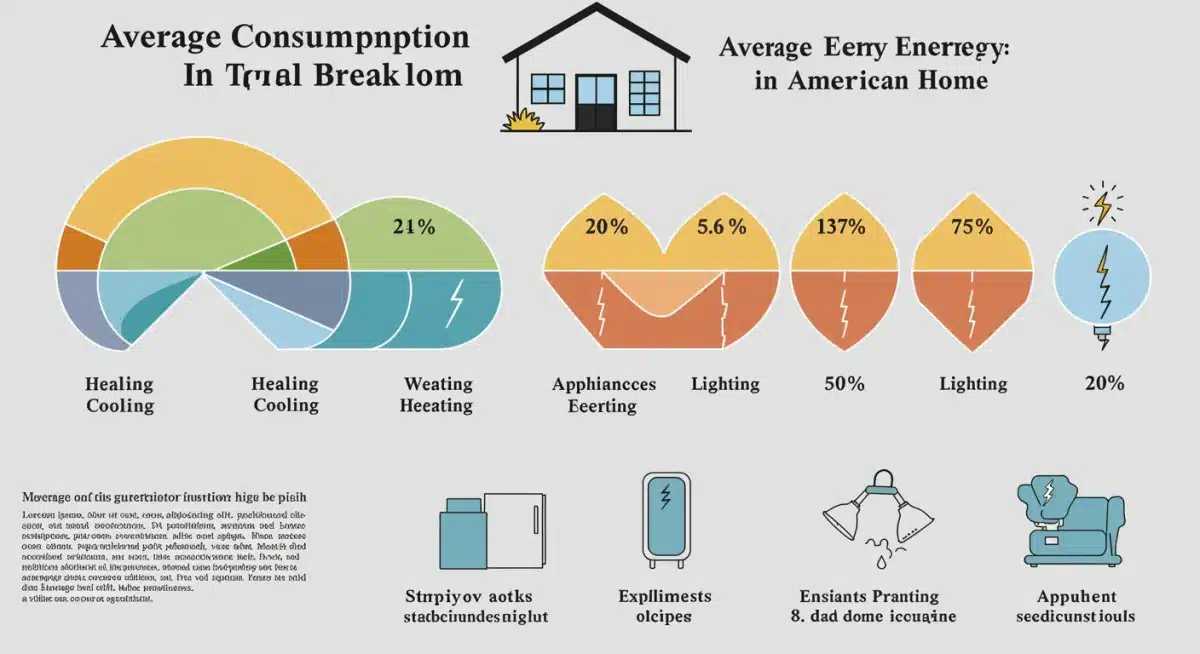
Specific Appliance Categories and Their Changes
- Laundry Appliances: Washers and dryers will feature improved water and energy efficiency, often through advanced sensors and specialized cycles.
- Kitchen Appliances: Refrigerators, freezers, and dishwashers will continue to push the boundaries of energy conservation, using better insulation, smarter compressors, and optimized washing cycles.
- Cooking Ranges: While less regulated than other appliances, some new standards may encourage induction technology or more efficient oven insulation.
When shopping, look for the Energy Star label, which indicates products that meet or exceed federal efficiency guidelines. This label will become an even more critical indicator of a truly efficient appliance under the new 2025 standards.
Heating and Cooling Systems: Navigating the New HVAC Regulations
Perhaps one of the most significant areas affected by the federal energy standards 2025 will be residential heating and cooling systems. HVAC units are typically the largest energy consumers in a home, making them prime targets for efficiency improvements. New regulations will introduce higher minimum Seasonal Energy Efficiency Ratio (SEER) ratings for air conditioners and Heating Seasonal Performance Factor (HSPF) for heat pumps, among other changes.
These updated ratings mean that manufacturers will need to produce more sophisticated equipment that can deliver the same or better comfort levels while using less energy. For homeowners, this translates into potentially lower heating and cooling costs, especially in regions with extreme temperatures. It also encourages a shift towards technologies like heat pumps, which are inherently more efficient than traditional furnaces and air conditioners in many climates.
Preparing Your Home for HVAC Upgrades
- Assess Current System: Understand your existing HVAC unit’s age and efficiency rating. If it’s older, an upgrade might be beneficial sooner rather than later.
- Consider Heat Pumps: Explore modern heat pump technology, which can provide both heating and cooling efficiently.
- Professional Consultation: Engage with certified HVAC professionals who are knowledgeable about the new 2025 standards to discuss your options.
Investing in a new, compliant HVAC system not only helps meet the new standards but also enhances your home’s comfort and reduces its operational costs significantly over time.
Financial Implications and Incentives for Homeowners
The introduction of the federal energy standards 2025 naturally raises questions about financial implications for homeowners. While the initial investment in higher-efficiency appliances and systems might sometimes be greater, it’s crucial to consider the long-term savings and available incentives designed to ease the transition. These standards are not meant to burden homeowners but rather to encourage smart, economically sound decisions.
The most direct financial benefit comes from reduced utility bills. As your home consumes less energy for heating, cooling, and operating appliances, your monthly expenses will decrease. Over the lifespan of these products, these savings can accumulate to a substantial amount, often offsetting the initial cost difference. Moreover, governments and utility companies frequently offer various incentives to promote energy-efficient upgrades.
Available Financial Support and Savings
- Federal Tax Credits: Programs like the Energy Efficient Home Improvement Credit can offer significant tax credits for qualifying energy-efficient upgrades, including HVAC systems, insulation, and windows.
- State and Local Rebates: Many state and local governments, as well as utility providers, offer rebates for purchasing and installing specific energy-efficient appliances or making home improvements.
- Energy Audits: Conducting a professional home energy audit can identify areas for improvement and qualify you for certain assistance programs.
Researching these incentives thoroughly before undertaking any renovations or appliance purchases can significantly reduce your out-of-pocket expenses and make compliance with the new standards more affordable.
Adopting a Proactive Approach: Tips for an Energy-Efficient Home
Rather than viewing the federal energy standards 2025 as a set of mandatory hurdles, homeowners can embrace them as an opportunity to cultivate a more energy-efficient and sustainable lifestyle. Adopting a proactive approach allows you to take control, maximize savings, and enhance your home’s comfort and value. This involves more than just buying new appliances; it encompasses a holistic strategy for energy management.
Starting with a comprehensive understanding of your home’s current energy consumption is a great first step. An energy audit can pinpoint areas of inefficiency, from inadequate insulation to leaky windows, providing a roadmap for targeted improvements. Small changes can often lead to significant cumulative savings, and coupling these with major upgrades will yield the best results.
Practical Steps for Energy Efficiency
- Improve Insulation: Ensure your attic, walls, and crawl spaces are properly insulated to prevent heat loss in winter and heat gain in summer.
- Seal Air Leaks: Caulk and weatherstrip around windows, doors, and utility penetrations to prevent drafts and reduce energy waste.
- Upgrade Windows: Consider replacing old, single-pane windows with energy-efficient double or triple-pane options.
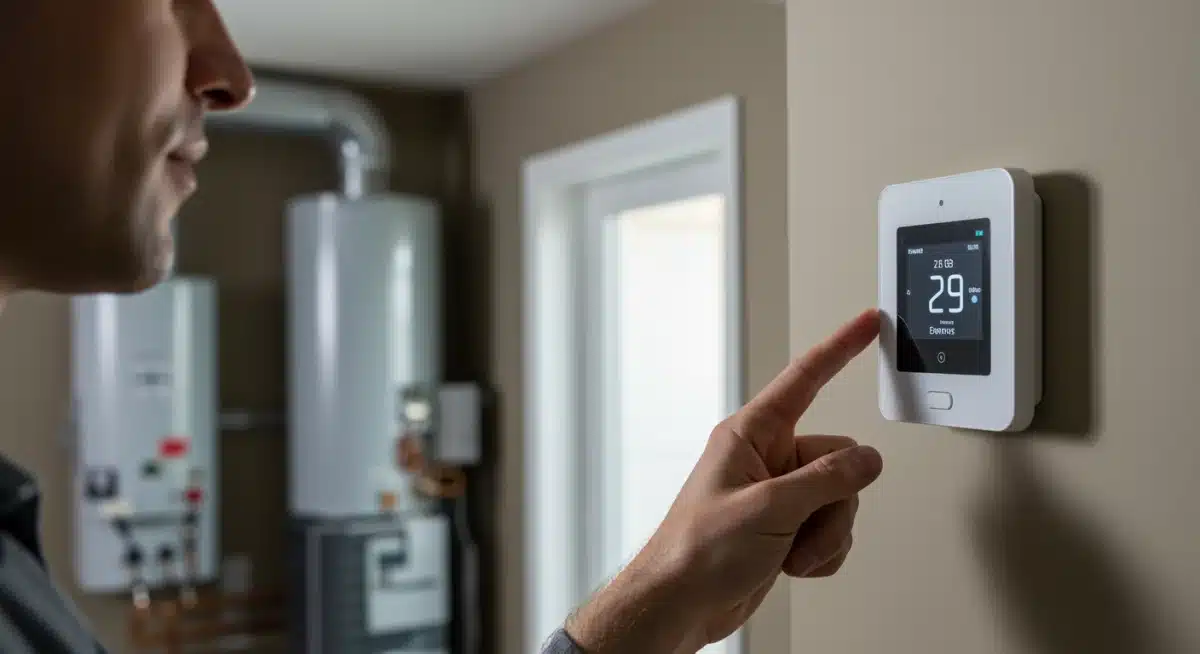
- Utilize Smart Technology: Install smart thermostats and smart home systems to optimize heating, cooling, and lighting schedules.
- Regular Maintenance: Keep HVAC systems, water heaters, and appliances well-maintained to ensure they operate at peak efficiency.
By implementing these tips, you not only prepare for the 2025 standards but also create a more comfortable, cost-effective, and environmentally friendly living space for years to come.
| Key Area | 2025 Standard Impact |
|---|---|
| HVAC Systems | Higher minimum efficiency ratings for air conditioners, furnaces, and heat pumps. |
| Water Heaters | Stricter efficiency requirements for both tank and tankless models. |
| Major Appliances | Tighter energy consumption limits for refrigerators, freezers, and laundry units. |
| Homeowners | Potential for reduced utility bills and access to various federal and local incentives. |
Frequently Asked Questions About Federal Energy Standards 2025
What are the main goals of the 2025 federal energy standards?▼
The primary goals are to significantly reduce national energy consumption, decrease greenhouse gas emissions, and lower utility costs for consumers. These standards aim to drive innovation in appliance and HVAC technology, fostering a more sustainable and energy-independent future for the United States.
Will I have to replace all my old appliances by 2025?▼
No, the new standards generally apply to newly manufactured products. You are not required to replace existing appliances or HVAC systems that are still functioning. However, when your current appliances reach the end of their lifespan and require replacement, you will likely purchase models that comply with the new, higher efficiency standards.
How will these standards affect the cost of new appliances?▼
While some new, highly efficient appliances might have a slightly higher upfront cost, this is often offset by significant long-term savings on utility bills. Manufacturers are continuously innovating to make efficient technology more affordable. Additionally, various incentives like tax credits and rebates can help reduce the initial purchase price.
What specific changes can I expect for my home’s heating and cooling?▼
You can expect new HVAC systems to come with higher minimum efficiency ratings, such as increased SEER for air conditioners and HSPF for heat pumps. This means new units will be designed to consume less energy to achieve the same level of comfort, leading to lower operational costs and a reduced environmental impact.
Are there any financial incentives to help me upgrade to energy-efficient products?▼
Yes, numerous financial incentives are available. These often include federal tax credits, state and local rebates, and utility company programs designed to encourage homeowners to adopt energy-efficient technologies. It is highly recommended to research these options in your specific area before making any significant home upgrades.
Conclusion
Understanding the New Federal Energy Efficiency Standards for 2025: What They Mean for Your Home (RECENT UPDATES) is an indispensable endeavor for every homeowner. These upcoming regulations are more than just new rules; they represent a pivotal shift towards a more sustainable, cost-effective, and environmentally responsible future. By proactively familiarizing yourself with these changes, exploring available incentives, and adopting energy-efficient practices, you can transform your home into a more comfortable and economical living space. The transition to higher efficiency is not merely a compliance issue but an opportunity to invest wisely in your property and contribute positively to our collective environmental well-being.
