Luxury Resale Giants Report 35% Drop in Counterfeits with AI
Advertisements
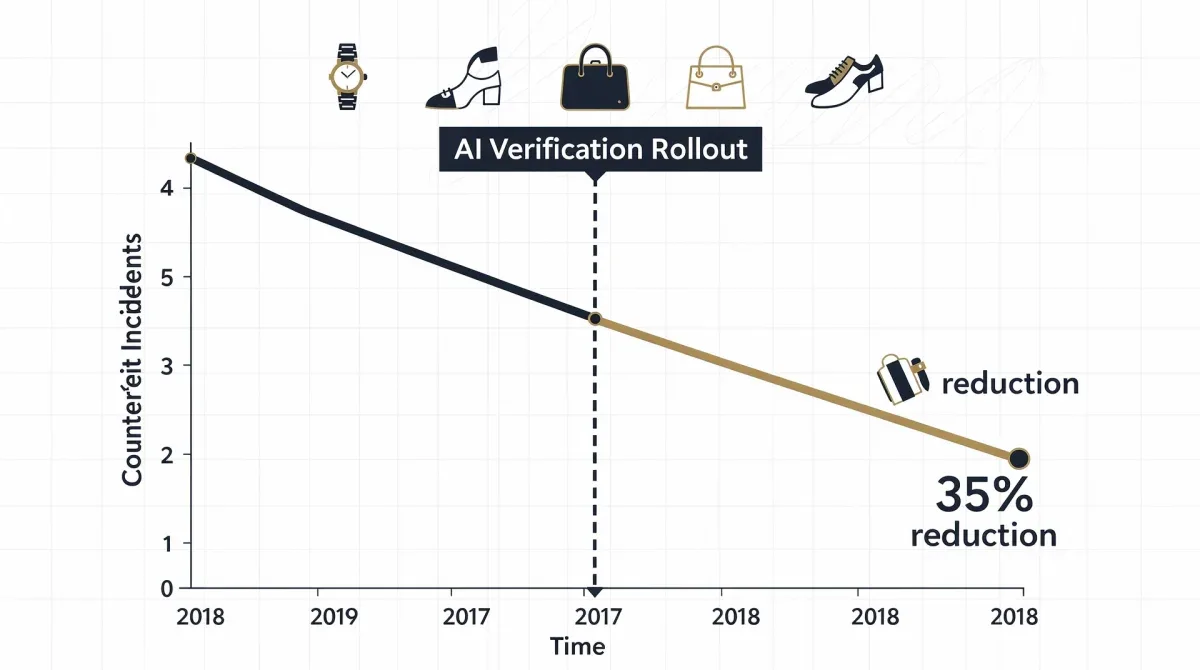
Buying a pre-owned designer handbag online used to feel like a multi-thousand-dollar gamble against ultra-realistic "super fakes." Now, Luxury Resale giants are reporting a 35% drop in counterfeits following a nationwide rollout of artificial intelligence verification systems.
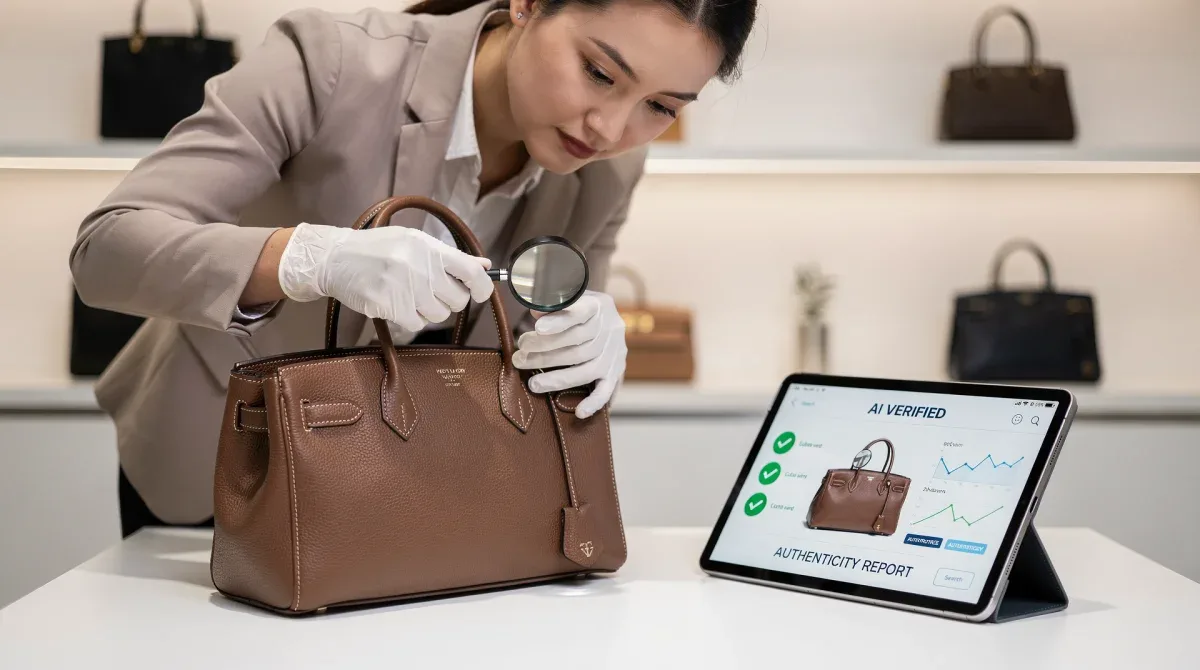
Powered by microscopic computer vision and massive reference databases, these automated authentication tools flag tiny anomalies in stitch counts, logo typography, and leather grain before a listing ever goes live. Platforms like The RealReal, Vestiaire Collective, and Rebag are combining machine learning with expert human review to restore buyer confidence across the secondary designer market.
Whether you are hunting for a vintage timepiece or selling a prized collector piece, stricter digital screening is rapidly transforming how pre-owned fashion is vetted and traded. Here are the key facts, verified industry shifts, and authentication trends you need to monitor next.
AI Verification Transforms Luxury Resale Landscape
The luxury resale market has long grappled with the pervasive issue of counterfeit goods, eroding consumer trust and devaluing authentic brands. The recent national rollout of AI verification systems marks a monumental leap forward in addressing this challenge head-on.
Leading luxury resale giants have reported an impressive 35% drop in counterfeits, directly attributing this success to the sophisticated capabilities of artificial intelligence. This technological integration is redefining industry standards and consumer expectations for authenticity.
This unprecedented reduction signals a new era for the secondary luxury market, where advanced algorithms and machine learning are proving to be indispensable tools in the ongoing battle against fraudulent merchandise.
The implementation of AI verification systems involves complex algorithms trained on vast datasets of authentic luxury items. These systems can detect minute discrepancies that often elude human inspection, offering a higher degree of accuracy.
The national rollout signifies a coordinated effort across major platforms to standardize authentication processes, creating a more robust defense against fakes. This collective approach amplifies the impact, making it harder for counterfeiters to penetrate the market.
How AI Detects Counterfeits
Material Analysis: AI systems analyze fabric weaves, leather grains, and metallic finishes at a microscopic level.
Stitching Patterns: Algorithms compare stitch density, spacing, and thread type against authentic manufacturer specifications.
Logo and Typography: AI identifies subtle variations in brand logos, fonts, and serial numbers often missed by the human eye.
Supply Chain Tracing: Some systems integrate blockchain to trace a product's origin and journey, verifying its legitimacy.
The precision offered by AI is unparalleled, allowing for rapid and consistent authentication checks across millions of items. This efficiency is critical for high-volume resale platforms that process a continuous stream of luxury goods.
Impact on Consumer Confidence and Brand Integrity
The significant reduction in counterfeits directly translates to a tangible boost in consumer confidence within the luxury resale market. Buyers can now engage with secondary sellers with a renewed sense of security, knowing that advanced technology is safeguarding their purchases.
This surge in trust is vital for the continued growth and legitimization of the luxury resale sector, encouraging more consumers to participate. Brand integrity, often compromised by the proliferation of fakes, is also experiencing a much-needed revitalization.
Luxury brands, while initially cautious, are increasingly recognizing the value of AI-driven authentication in protecting their intellectual property and maintaining their exclusive image in the secondary market.
For consumers, the assurance of authenticity provided by AI verification systems simplifies the purchasing decision. The anxiety associated with buying pre-owned luxury items, particularly expensive ones, is significantly reduced.
This positive shift encourages repeat business and fosters a loyal customer base for platforms committed to stringent authentication. The luxury resale giants are effectively building a reputation for reliability and trustworthiness.
Benefits for Buyers and Sellers
For Buyers: Guaranteed authenticity, reduced risk of fraud, and access to a wider selection of verified luxury items.
For Sellers: Increased market value for authentic items, faster sales cycles due to enhanced buyer trust, and protection against unknowingly selling fakes.
For Brands: Safeguarded intellectual property, reduced brand dilution from counterfeits, and a stronger secondary market presence.
The transparent authentication process, often including digital certificates generated by AI, empowers both buyers and sellers with verifiable proof of an item's legitimacy. This transparency is a cornerstone of the new luxury resale paradigm.
Technological Advancements Driving Authentication
The 35% drop in counterfeits is a direct testament to the rapid advancements in artificial intelligence and machine learning. These technologies are continually evolving, offering more sophisticated methods for identifying fraudulent goods.
Beyond basic image recognition, modern AI systems leverage deep learning, predictive analytics, and even material science to create a multi-layered authentication process. This holistic approach makes it incredibly difficult for counterfeiters to evade detection.
The ongoing research and development in AI for authentication promise even greater accuracy and efficiency in the years to come, ensuring the luxury resale market remains at the forefront of anti-counterfeiting efforts.
One key advancement involves the use of spectral analysis, where AI examines the unique chemical composition of materials. This can differentiate between authentic leather and high-quality synthetic imitations, for example.
Another significant development is the integration of haptic feedback and microscopic imaging, allowing AI to analyze tactile properties and micro-engravings that are hallmarks of genuine luxury craftsmanship. These methods provide a forensic level of detail.
The Role of Data and Machine Learning
Extensive Databases: AI models are trained on millions of data points from authentic luxury goods, including high-resolution images, material specifications, and manufacturing details.
Pattern Recognition: Machine learning algorithms identify intricate patterns and anomalies that indicate a counterfeit, learning and adapting with each new scan.
Continuous Improvement: The systems are designed to continuously learn from new data, improving their accuracy as counterfeiting methods evolve.
The iterative nature of machine learning means that AI authentication systems become more intelligent and effective over time. This adaptive capability is a crucial advantage in the arms race against counterfeiters.
Challenges and Future Outlook for AI Verification
While the 35% drop in counterfeits is a resounding success, the luxury resale market still faces ongoing challenges. Counterfeiters are constantly innovating, attempting to bypass new authentication technologies, necessitating continuous vigilance.
The cost of implementing and maintaining advanced AI verification systems can be substantial, posing a barrier for smaller resale platforms. Ensuring widespread adoption across the entire industry remains a critical hurdle for comprehensive protection.
Looking ahead, the future of luxury resale authentication will likely involve even more integrated technologies, potentially combining AI with blockchain for immutable records of authenticity and digital product passports.
One significant challenge is the global nature of counterfeiting operations. While national rollouts are effective, international cooperation and standardized verification protocols will be essential to truly curb the flow of fake goods across borders.
Another consideration is the ethical deployment of AI, ensuring data privacy and preventing potential biases in the authentication process. Transparency in how AI makes its decisions will be increasingly important for maintaining trust.
Emerging Technologies in Authentication
Blockchain Integration: Creating unchangeable digital ledgers for product provenance and ownership.
NFC/RFID Tags: Embedding smart tags into luxury items for easy digital verification at any point in their lifecycle.
3D Scanning and Biometrics: Using advanced imaging to capture unique physical fingerprints of items, similar to human biometrics.
The collaboration between AI developers, luxury brands, and resale platforms will be key to overcoming these challenges. Shared intelligence and resources can accelerate the development of next-generation anti-counterfeiting solutions.
Economic Implications for the Luxury Resale Market
The successful integration of AI verification and the subsequent 35% drop in counterfeits have significant economic implications for the luxury resale market. This shift is expected to fuel further growth and attract new investments.
A more trustworthy market means higher transaction volumes and potentially increased average selling prices for authentic goods. This benefits both individual sellers and the platforms facilitating these transactions.
Moreover, the reduced risk of reputational damage from counterfeit sales allows luxury resale giants to invest more confidently in expansion and innovation, solidifying their position in the broader luxury ecosystem.
The increased reliability of the secondary market also provides a compelling alternative for consumers seeking sustainable luxury. Buying pre-owned becomes a more attractive option when authenticity is virtually guaranteed.
This trend contributes to the circular economy, aligning with growing consumer demand for environmentally conscious purchasing. The economic benefits extend beyond profits to broader societal and environmental impacts.
Market Growth and Investment
Increased Valuation: Resale platforms with robust AI authentication are likely to see higher valuations and investor interest.
New Business Models: The enhanced trust enables new services, such as authenticated consignment programs and luxury rental services.
Job Creation: Growth in the sector can lead to new jobs in technology, authentication, logistics, and customer service.
The economic ripple effect also extends to primary luxury brands, as a healthy and authentic secondary market can actually enhance brand desirability and long-term value, rather than detract from it.
Regulatory Response and Industry Standards
The success of the national AI verification rollout is likely to spur discussions around regulatory frameworks and industry-wide standards for luxury authentication. Governments and industry bodies may look to formalize these practices.
Establishing common guidelines for AI-driven authentication could further strengthen the fight against counterfeits, ensuring a consistent level of protection across all platforms. This would create a level playing field and prevent loopholes.
The proactive steps taken by luxury resale giants demonstrate a capacity for self-regulation and innovation that could serve as a model for other industries grappling with similar issues of product authenticity.
Discussions are already underway regarding potential certifications for AI authentication technologies, ensuring they meet rigorous standards for accuracy, security, and fairness. This could lead to a recognized seal of approval for platforms.
Furthermore, consumer protection agencies are likely to take note of the reduced counterfeit rates, potentially incorporating AI verification into future recommendations for online marketplaces. This move would solidify the technology's importance.
Key Areas for Standardization
Data Privacy: Guidelines for how authentication data is collected, stored, and used by AI systems.
Algorithm Transparency: Standards for understanding how AI makes authentication decisions to ensure accountability.
Interoperability: Protocols allowing different AI systems to share data and insights securely to enhance overall effectiveness.
The collaborative development of these standards, involving technology providers, luxury brands, and resale platforms, will be crucial for building a resilient and trustworthy luxury resale ecosystem.
The Role of Human Expertise in an AI-Driven World
While AI verification has proven incredibly effective, the role of human expertise remains indispensable in the luxury resale authentication process. The 35% drop in counterfeits highlights augmentation, not replacement.
Human authenticators bring nuanced understanding, tactile experience, and an ability to detect anomalies that even the most advanced AI might miss. Their judgment is crucial for complex cases or newly emerging counterfeiting techniques.
The most effective systems combine the speed and data processing power of AI with the critical thinking and specialized knowledge of human experts, creating a synergistic approach to authentication.
Human authenticators are now able to focus on the most challenging cases, leveraging AI to handle the bulk of routine verifications. This allows them to apply their expertise where it is most needed, enhancing overall efficiency and accuracy.
Training programs for human authenticators are evolving to include proficiency in understanding AI outputs and integrating them into their decision-making process. This creates a more skilled and technologically adept workforce.
Synergy Between AI and Human Authenticity
AI as First Line of Defense: AI performs initial, rapid scans to filter out obvious fakes and verify known authentic items.
Human Oversight: Experts review AI flags, investigate complex cases, and provide final judgment on ambiguous items.
Continuous Feedback: Human authenticators provide feedback to AI systems, helping to refine algorithms and improve future detection capabilities.
This collaborative model ensures that the authentication process is both highly efficient and exceptionally robust, offering the best of both technological and human capabilities to protect the luxury resale market.
Key Point | Brief Description |
|---|---|
Counterfeit Drop | Luxury resale giants report a 35% reduction in fake goods. |
AI Verification | National rollout of advanced AI systems is the primary driver. |
Consumer Trust | Enhanced confidence and security for buyers in the secondary market. |
Future Outlook | Continued innovation and integration of AI with human expertise. |
Frequently Asked Questions About AI Verification in Luxury Resale
What does the 35% drop in counterfeits signify for the luxury resale market?▼
The 35% drop in counterfeits represents a major victory for the luxury resale market, indicating enhanced security and trustworthiness. This significant reduction suggests that AI verification is highly effective in curbing the influx of fake goods, leading to greater consumer confidence and a more reliable secondary market for high-end items.
How does AI verification actually detect counterfeit luxury items?▼
AI verification systems utilize advanced machine learning algorithms trained on vast datasets of authentic luxury goods. They analyze intricate details such as stitching, materials, logos, and serial numbers at a microscopic level, identifying minute discrepancies that distinguish fakes from genuine products. This process is often faster and more consistent than human inspection alone.
Is human authentication still necessary with the rise of AI verification?▼
Yes, human authentication remains crucial, even with advanced AI systems. AI excels at high-volume, repetitive tasks and detecting known patterns, but human experts offer nuanced judgment, tactile experience, and the ability to adapt to new, sophisticated counterfeiting techniques. The most effective approach combines AI's efficiency with human expertise for comprehensive verification.
What are the main benefits of AI verification for consumers buying luxury resale?▼
For consumers, the primary benefit is significantly increased confidence and reduced risk of purchasing counterfeit goods. AI verification ensures that items are rigorously checked for authenticity, providing peace of mind. This leads to a more trustworthy marketplace, broader access to genuine luxury items, and protection for their investment in pre-owned goods.
What challenges does the luxury resale market still face despite AI's success?▼
Despite the success, challenges persist, including the continuous evolution of counterfeiting methods, the high cost of implementing advanced AI, and the need for global standardization. Ensuring consistent adoption across all platforms and addressing international counterfeit networks remain ongoing hurdles. Future efforts will focus on integrating AI with other technologies like blockchain and fostering industry-wide collaboration.
Looking Ahead
The 35% drop in counterfeits reported by luxury resale giants after the national AI verification rollout marks a transformative period for the industry. This achievement not only bolsters consumer confidence but also sets a new benchmark for authenticity in the secondary market.
Moving forward, the focus will be on refining these AI systems, integrating new technologies like blockchain, and fostering global collaboration to maintain this momentum and further secure the future of luxury resale. The ongoing innovation in this space will redefine how luxury goods are authenticated and traded worldwide.