Mastering Coupon Stacking: Achieve 30% More Savings on Groceries This Month
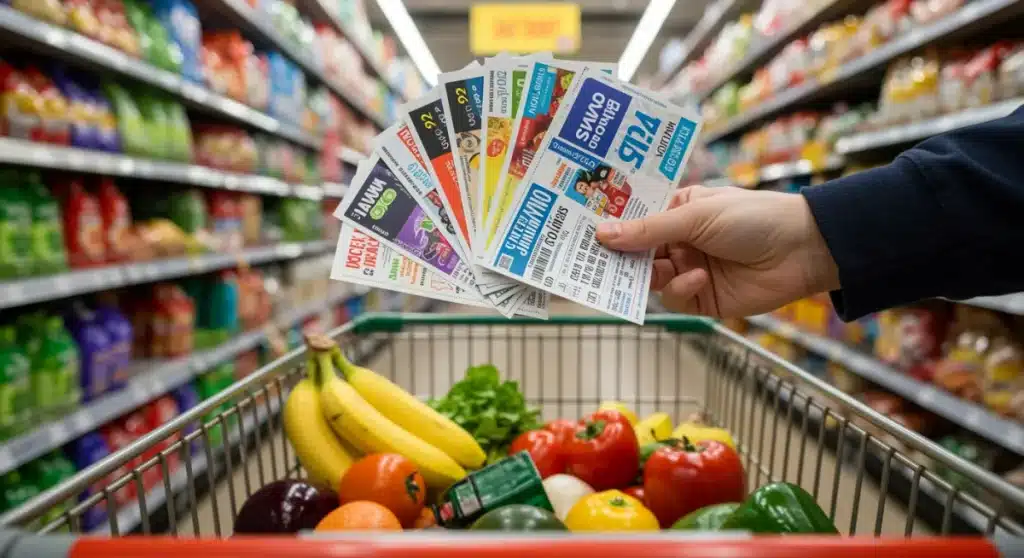
Tired of watching inflation eat your paycheck? It is time to embrace coupon stacking, the savvy shopper’s secret to keeping more cash in your pocket.
This technique involves doubling up on multiple reward offers for a single item, ensuring you never pay full price for daily essentials again.
We have verified the latest tips from financial experts to help you navigate these advanced saving methods and maximize your monthly supermarket returns.
Understanding the Mechanics of Coupon Stacking
Coupon stacking fundamentally involves applying more than one coupon to a single item during a purchase. This practice, while widely recognized, often remains underutilized by many shoppers who are unaware of its full potential or the specific rules governing its application.
The primary goal is to maximize the discount on each product, leading to substantial overall savings on the grocery bill. Shoppers who effectively engage in coupon stacking report noticeable reductions in their monthly expenditures.
Understanding the different types of coupons and how they interact is crucial for successful stacking. This knowledge forms the bedrock of any effective savings strategy, allowing consumers to navigate complex promotional landscapes with confidence.
Manufacturer Coupons vs. Store Coupons
Manufacturer coupons are issued by product manufacturers and are generally accepted at most retailers that carry the product. These coupons offer a discount on the specific brand item, regardless of where it is purchased.
Store coupons, conversely, are issued by individual grocery retailers and are only valid at that particular store. They often promote specific store brands or items on sale, driving traffic and increasing sales within their own establishments.
The key to coupon stacking often lies in combining a manufacturer coupon with a store coupon for the same item. This dual application is where the most significant savings typically originate, creating a powerful synergy of discounts.
Digital Coupons and Rebate Apps
Digital coupons have revolutionized the couponing landscape, offering convenience and accessibility through smartphone apps and store websites. These can often be loaded directly to loyalty cards, simplifying the redemption process at checkout.
Rebate apps, such as Ibotta or Fetch Rewards, provide cash back after a purchase, often requiring a receipt scan. While not strictly coupons, they can be stacked with traditional coupons to further reduce the net cost of groceries, forming an integral part of coupon stacking.
Integrating these digital tools into a coupon stacking strategy can significantly amplify savings. Shoppers can often combine a manufacturer coupon, a store coupon, and a rebate app offer on a single product, multiplying their discounts exponentially.
Strategic Planning for Maximum Savings
Effective coupon stacking requires meticulous planning and a proactive approach. It involves more than simply collecting coupons; it demands a systematic method for identifying opportunities and executing purchases.
This strategic foresight ensures that shoppers are not just saving, but also optimizing every dollar spent on groceries. The goal is to achieve the highest possible discount without overspending on unnecessary items, a core principle of coupon stacking.
Successful couponers often maintain an organized system for their coupons, whether physical or digital, and regularly check store circulars and online platforms for new deals. This consistent effort pays dividends in the long run.
Identifying Stacking Opportunities
The first step in identifying stacking opportunities is to compare store sales circulars with available manufacturer coupons. Look for items that are already on sale, as these provide a solid foundation for additional discounts.
Next, cross-reference these items with digital coupons offered by the store or third-party apps. A product that is on sale, has a manufacturer coupon, and a store digital coupon is a prime candidate for significant stacking.
Finally, check for any ongoing rebate offers that can be applied after the purchase. This multi-layered approach is essential for truly coupon stacking and maximizing overall savings.
- Regularly review weekly store ads and flyers.
- Subscribe to manufacturer newsletters for exclusive coupons.
- Utilize coupon databases and aggregator websites.
- Download and actively monitor store-specific apps for digital offers.
Timing Your Grocery Runs
Timing plays a crucial role in maximizing coupon stacking efforts. Many stores release new sales circulars and digital coupons on a specific day of the week, often Sunday or Wednesday.
Planning your shopping trips around these release dates allows you to capitalize on the freshest deals and the widest selection of discounted items. This proactive scheduling is a hallmark of those adept at coupon stacking.
Additionally, some stores offer double or triple coupon days, where the value of manufacturer coupons is multiplied. While less common than in the past, being aware of such promotions can lead to extraordinary savings.
Common Pitfalls and How to Avoid Them
While coupon stacking offers immense savings potential, it also comes with its share of challenges. Navigating these common pitfalls is essential for a smooth and successful shopping experience.
Misunderstanding coupon policies or overlooking expiration dates can quickly derail a well-planned stacking strategy. Awareness and preparation are key to avoiding frustration and ensuring desired savings.
By proactively addressing these potential issues, shoppers can refine their techniques and become more efficient in their pursuit of savings, further solidifying their ability in coupon stacking.
Understanding Store Coupon Policies
Each grocery store has its own unique coupon policy, which dictates how coupons can be used and combined. Some stores explicitly allow stacking, while others may have restrictions on combining certain types of coupons.
It is imperative to familiarize yourself with the coupon policy of your preferred grocery stores before attempting to stack. This can often be found on the store’s website or by inquiring at the customer service desk.
Ignoring store policies can lead to disappointment at the checkout counter and wasted effort. A clear understanding ensures that your stacking attempts are compliant and successful, contributing to coupon stacking.
Expiration Dates and Fine Print
Coupons, whether physical or digital, always come with expiration dates. Failing to use a coupon before its expiration renders it invalid, negating any potential savings from that specific offer.
Equally important is reading the fine print on each coupon. This often contains crucial information regarding product size, quantity limits, and any other specific conditions that must be met for redemption.
A quick glance at the fine print can prevent issues at checkout and ensure that you are selecting the correct product variants. Diligence in these details is fundamental for coupon stacking.
- Always check the expiration date on all coupons.
- Read the small print for product exclusions or size requirements.
- Verify that the coupon’s value exceeds or matches the item’s cost if aiming for free items.
Advanced Coupon Stacking Techniques
Beyond the basic combination of manufacturer and store coupons, several advanced techniques can elevate your savings game. These methods often require a bit more effort but yield significantly higher returns.
These strategies move beyond simple coupon application, incorporating a deeper understanding of sales cycles and promotional events. They represent the next level for anyone truly committed to coupon stacking.
By integrating these advanced tactics, shoppers can transform their grocery budget, making every dollar stretch further. This approach turns grocery shopping into a strategic exercise, maximizing every available discount.
Leveraging Loyalty Programs and Rewards
Many grocery stores offer loyalty programs that provide exclusive discounts, personalized offers, and reward points. These programs are designed to incentivize repeat business and can be a powerful tool for coupon stackers.
Points earned through loyalty programs can often be redeemed for future discounts or free items, effectively acting as an additional layer of savings. Combining these rewards with stacked coupons creates a compounding effect on your overall discount.
Actively participating in and maximizing your loyalty program benefits is a smart move for anyone serious about coupon stacking. These programs often provide insights into your shopping habits, leading to even more tailored offers.
Stockpiling and Sales Cycles
Stockpiling involves purchasing multiple units of an item when it is at its absolute lowest price, especially when combined with stacked coupons. This strategy ensures you always have essential items on hand without paying full price.
Understanding sales cycles is critical for effective stockpiling. Most grocery items go on sale in a predictable rotation, typically every 6 to 12 weeks. By tracking these cycles, you can anticipate when to buy and when to apply your stacked coupons.
This proactive approach prevents impulse purchases at higher prices and ensures you are always getting the best deal. Stockpiling, when done responsibly, is a cornerstone of coupon stacking.
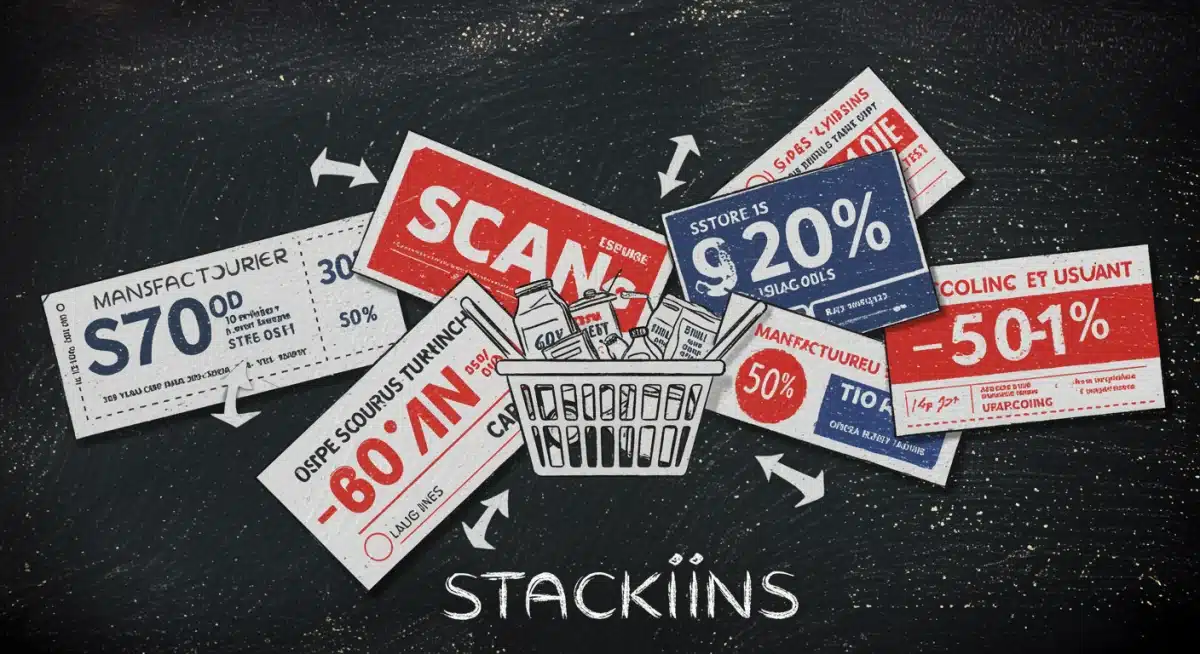
Real-World Impact and Success Stories
The practical application of coupon stacking has yielded impressive results for countless consumers across the United States. Anecdotal evidence and reported savings figures underscore the effectiveness of these strategies.
Many families have significantly reduced their monthly grocery budgets, freeing up funds for other essential expenses or savings goals. These success stories serve as powerful motivators for others looking to adopt similar practices.
The impact extends beyond individual households, contributing to a broader culture of smart consumerism. Mastering Coupon Stacking is not just a trend; it’s a financial empowerment tool.
Case Studies in Savings
One notable example involves a family in Texas who reported reducing their monthly grocery bill by over 40% through consistent coupon stacking. By combining digital store coupons with manufacturer printables, they regularly achieved near-free purchases on household staples.
Another success story comes from a single parent in California who utilized rebate apps in conjunction with weekly sales and coupons to cut their food expenses by 35%.
This allowed them to allocate more resources towards their child’s education fund, highlighting the tangible benefits of coupon stacking.
These examples illustrate that with dedication and strategic planning, substantial savings are not only possible but achievable for everyday shoppers. The principles are universal, adaptable to various budgets and shopping habits.
The Digital Evolution of Couponing
The landscape of couponing has undergone a significant transformation with the advent of digital technologies. Smartphones and online platforms have made couponing more accessible and efficient than ever before.
This digital shift has lowered the barrier to entry for many new couponers, as the need for physical coupon clipping has diminished. Digital tools streamline the process, from discovery to redemption, making coupon stacking more approachable.
As technology continues to evolve, so too will the methods for finding and applying discounts, promising even more innovative ways to save in the future. Staying updated on these developments is key to maximizing savings.
Apps and Online Platforms
Dedicated coupon apps and websites have become indispensable tools for modern couponers. Platforms like Coupons.com, RetailMeNot, and store-specific applications aggregate thousands of deals in one convenient location.
These digital platforms often allow users to clip coupons directly to their loyalty cards or print them at home, eliminating the need to scour newspapers. This integration simplifies the stacking process considerably, enhancing the experience of coupon stacking.
Furthermore, many apps offer personalized recommendations based on past purchases, ensuring that users receive relevant offers tailored to their shopping habits. This targeted approach increases the likelihood of finding stackable deals.
Ethical Couponing and Community
As with any strategy that yields significant financial benefits, ethical considerations in couponing are important. Responsible coupon use ensures fairness for all shoppers and maintains the integrity of saving programs.
Adhering to coupon terms and conditions, as well as respecting store policies, is paramount. This approach fosters a positive shopping environment and prevents issues that could lead to stricter coupon regulations.
The couponing community is also a valuable resource, offering support, tips, and shared knowledge. Engaging with this community can enhance one’s ability in coupon stacking.
Responsible Coupon Use
Responsible coupon use means never attempting to use expired or fraudulent coupons. It also involves respecting purchase limits and not clearing shelves of sale items, ensuring availability for other shoppers.
Understanding that coupon policies are in place to prevent misuse is crucial. When a shopper attempts to circumvent these rules, it can lead to negative experiences for both them and other customers, potentially impacting the store’s willingness to offer attractive deals.
Adopting an ethical mindset ensures that the benefits of coupon stacking remain accessible and viable for everyone. This responsible behavior is a cornerstone of effective and sustainable savings, a key aspect of coupon stacking.
Future Trends in Grocery Savings
The landscape of grocery savings is continuously evolving, driven by technological advancements and shifting consumer behaviors. Anticipating these future trends can help savvy shoppers stay ahead of the curve.
Personalized offers, AI-driven recommendations, and increased integration of digital wallets are likely to become more prevalent. These innovations promise even more tailored and efficient ways to save on everyday essentials.
The ongoing development of new platforms and partnerships between brands and retailers will further enhance opportunities for coupon stacking, making it an even more dynamic field.
AI and Personalized Discounts
Artificial intelligence is set to revolutionize couponing by offering hyper-personalized discounts based on individual shopping histories and preferences. AI algorithms can analyze vast amounts of data to predict purchasing patterns and offer highly relevant coupons.
This means shoppers could receive unique, stackable offers specifically tailored to the products they regularly buy, maximizing their savings without extensive searching. The precision of AI-driven discounts will redefine coupon stacking.
The future of grocery savings will likely involve a seamless integration of these intelligent systems into loyalty programs and payment platforms, making savings an almost automatic process for the engaged consumer.
| Key Strategy | Benefit |
|---|---|
| Combine Manufacturer & Store Coupons | Achieve double discounts on a single item. |
| Utilize Digital Offers & Rebate Apps | Add another layer of savings through convenient digital tools. |
| Strategic Planning & Timing | Maximize savings by aligning shopping with sales cycles and coupon releases. |
| Understand Store Policies | Prevent issues and ensure successful coupon redemption. |
Frequently Asked Questions About Coupon Stacking
Coupon stacking is the practice of combining multiple coupons or discounts on a single item during a purchase. Typically, this involves using a manufacturer coupon alongside a store coupon or a digital offer to achieve greater overall savings than using just one coupon.
Yes, coupon stacking is generally legal in the US, provided shoppers adhere to individual store policies and coupon terms. The legality hinges on using coupons as intended by retailers and manufacturers, avoiding any fraudulent practices.
You can find stackable coupons by checking weekly store circulars, manufacturer websites, coupon aggregator sites like Coupons.com, and store-specific digital apps. Look for manufacturer coupons that can be combined with current store sales or digital offers.
The biggest challenges include understanding varied store coupon policies, keeping track of coupon expiration dates, and navigating specific product exclusions or size requirements mentioned in the fine print. Diligence in preparation helps overcome these hurdles.
It depends on the store’s policy. Some retailers allow combining a manufacturer paper coupon with a store’s digital coupon for the same item. Always check your specific grocery store’s rules to confirm if this type of stacking is permitted before shopping.
What this means
The insights on coupon stacking highlight a significant opportunity for consumers to manage rising living costs effectively. This approach offers not just immediate savings but also fosters a more mindful and strategic approach to household budgeting.
As economic pressures persist, the relevance of such savvy shopping techniques will only grow. Staying informed about the latest coupon trends and digital saving tools will be crucial for maintaining financial flexibility and maximizing purchasing power.
For those committed to coupon stacking, the path forward involves continuous learning and adaptation to new offers and technologies, ensuring sustained economic advantage.
