Mastering Dynamic Pricing: Stop Retailers Hiking Prices
Advertisements
Ever wondered why the price of that item in your cart suddenly spiked overnight? Mastering Dynamic Pricing is no longer just a luxury for smart shoppers—it’s an essential skill to keep online stores from quietly inflating your checkout total based on your browsing habits.
Algorithmic rate adjustments track demand and user behavior in real time, often leaving everyday buyers paying a hidden tax on identical goods. When automated cost updates dictate what you pay for flights, tech, or daily essentials, taking back control of your digital wallet becomes crucial.
Fortunately, a new wave of smart browser extensions lets you track price histories and catch stealth inflation before it hits your credit card. Here are five powerful consumer tools that level the playing field and ensure you never overpay again.
Understanding Dynamic Pricing and Its Impact
Dynamic pricing is a sophisticated strategy utilized by online retailers to optimize revenue by continuously adjusting prices. This methodology considers various factors, including demand fluctuations, competitor pricing, time of day, and even user-specific data like browsing history and location.
For consumers, this means that the price of an item can change multiple times within a single day, or even within minutes. This variability often results in different individuals seeing different prices for the exact same product, leading to potential overspending if one is not vigilant.
The impact extends beyond just financial cost; it creates an environment where price transparency is diminished, making informed purchasing decisions more challenging. Shoppers must now contend with an invisible force that dictates what they pay, emphasizing the need for proactive measures.
The Mechanisms Behind Price Adjustments
Retailers employ advanced algorithms to implement dynamic pricing, analyzing vast datasets to predict optimal selling points. These algorithms can factor in inventory levels, competitor stock, recent sales data, and even weather patterns to fine-tune pricing strategies.
Additionally, personal data plays a significant role; a user’s browsing history, location, and device type can all influence the prices they are shown. This personalization, while designed to maximize retailer profits, often comes at the expense of consumer savings, highlighting the need for tools that offer transparency.
Demand-Based Pricing: Prices increase during periods of high demand, common for event tickets or seasonal items.
Competitor-Based Pricing: Prices are adjusted to match or beat rivals, often changing rapidly.
Time-Based Pricing: Prices fluctuate based on the time of day, week, or even how long an item has been in a cart.
Personalized Pricing: Prices are tailored based on individual user data, potentially leading to higher costs for frequent visitors.
The complexity of these mechanisms necessitates a proactive approach from consumers. Without the right tools, it becomes nearly impossible to discern whether one is getting a fair price or falling victim to a real-time price hike orchestrated by an algorithm.
The Rise of Browser Tools Against Price Hiking
In response to the proliferation of dynamic pricing, a new generation of browser tools has emerged to empower consumers. These extensions are designed to track price movements, compare deals across multiple retailers, and alert users to potential savings, effectively giving shoppers an edge.
These tools operate by continuously monitoring product pages and compiling historical pricing data, offering a level of transparency that was previously unavailable to the average shopper. They serve as a crucial defense mechanism against the often opaque practices of dynamic pricing, ensuring consumers can make more informed choices.
By integrating directly into web browsers, these tools offer real-time assistance, making them incredibly convenient and accessible. They transform the shopping experience from a guessing game into a strategic endeavor, allowing users to confidently identify the best times and places to buy.
How Browser Extensions Level the Playing Field
Browser extensions work by collecting and analyzing vast amounts of pricing data in the background as users browse online stores. They can detect subtle price changes, identify patterns, and compare current prices against historical averages, providing a comprehensive view of a product’s value.
Many tools also offer features like price drop alerts, notifying users when a desired item reaches a target price. This functionality is invaluable for those looking to purchase high-value items, enabling them to wait for the opportune moment to buy without constant manual monitoring.
Furthermore, some extensions can identify hidden discounts or coupon codes, automatically applying them at checkout. This not only saves money but also removes the tedious task of searching for valid promotions, streamlining the entire purchasing process and enhancing the overall shopping experience.
Top 5 Browser Tools for Mastering Dynamic Pricing
Navigating the complexities of online retail and countering dynamic pricing strategies requires effective tools. Here are five essential browser extensions that can help consumers regain control and ensure they are always getting the best possible deal.
These tools offer a range of functionalities, from comprehensive price history tracking to real-time price comparisons across various vendors. Each has unique strengths, but all share the common goal of empowering shoppers against arbitrary price fluctuations and ensuring greater transparency.
Integrating these extensions into your daily browsing routine can significantly impact your online spending habits, transforming you into a more informed and strategic buyer. They are indispensable for anyone serious about mastering dynamic pricing.
1. Keepa: Amazon Price Tracker
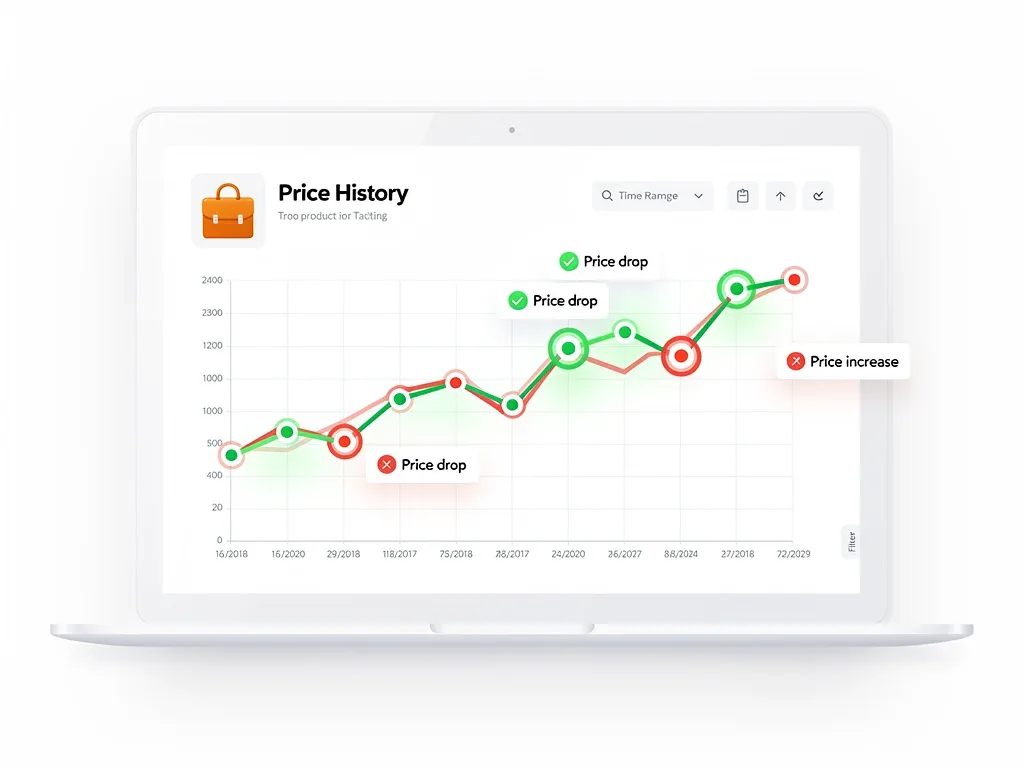
Keepa stands out as an indispensable tool for Amazon shoppers, offering extensive price history charts for millions of products. It tracks pricing data, including Amazon’s own price, third-party seller prices, and even warehouse deals, providing a clear picture of an item’s historical value.
Users can set up price drop alerts, receiving notifications via email, Telegram, or push notifications when a product reaches a desired price point. This feature is particularly useful for high-value items, allowing shoppers to wait for significant discounts before making a purchase.
Beyond price tracking, Keepa also provides detailed product information, including sales rank history and buy box statistics, offering deeper insights into product popularity and market dynamics. This comprehensive data empowers users to make highly informed buying decisions.
2. Honey: Smart Shopping Assistant
Honey is renowned for its ability to automatically find and apply coupon codes at checkout across thousands of online stores. It scans the internet for available discounts and applies the best one, saving users time and money without manual effort.
Beyond coupon codes, Honey also features a "Droplist" function, allowing users to add items they want to track and receive alerts when prices drop. This makes it a versatile tool for both immediate savings and long-term price monitoring.
Furthermore, Honey offers a rewards program called Honey Gold, where users can earn points on eligible purchases that can be redeemed for gift cards. This adds another layer of savings, making it a comprehensive shopping assistant for a wide range of online retailers.
Price Comparison and Deal Alerts: Essential Strategies
Effective online shopping in the age of dynamic pricing requires more than just knowing a product's current cost; it demands a strategic approach to price comparison and timely deal alerts. These strategies are crucial for ensuring you never pay more than necessary.
By leveraging browser tools that specialize in these areas, consumers can actively combat fluctuating prices and find the best deals available. This involves comparing prices across multiple retailers and being notified instantly when a desired item becomes more affordable.
Such proactive measures transform passive browsing into an informed and strategic shopping experience. It's about empowering the consumer with information, enabling them to make purchasing decisions with confidence and maximum savings.
3. Camelcamelcamel: Amazon Price Tracker & Analyzer
Similar to Keepa, Camelcamelcamel focuses specifically on Amazon, providing extensive price history charts for millions of products. It tracks the price fluctuations of items sold directly by Amazon, by third-party sellers, and even used items, offering a complete historical overview.
The tool allows users to set up price watch alerts, receiving notifications via email when prices drop to a specified threshold. This is particularly useful for consumers who are patient and willing to wait for the absolute lowest price on their desired items.
Camelcamelcamel also provides browser extensions for Chrome, Firefox, and Edge, making its powerful features easily accessible during the shopping process. Its intuitive interface and comprehensive data make it a favorite for serious Amazon shoppers.
4. PriceBlink: Automatic Price Comparison
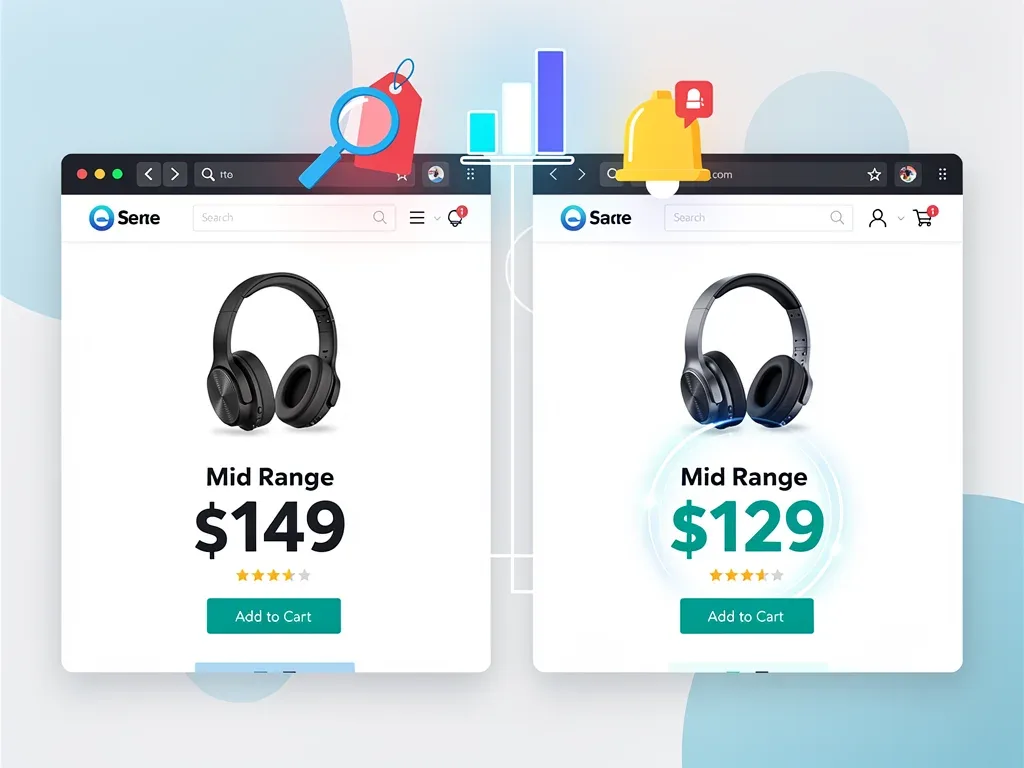
PriceBlink is an excellent tool for automatic price comparison, working silently in the background as you browse. When you view a product on an online store, PriceBlink instantly checks hundreds of other retailers to see if the same item is available for a lower price.
It displays a discreet bar at the top of your browser, alerting you to better deals and even showing user reviews for the product. This immediate comparison saves considerable time and effort, preventing you from missing out on potential savings.
Beyond price comparison, PriceBlink also identifies coupon codes and shipping deals, further maximizing your savings. Its seamless integration and comprehensive search capabilities make it a powerful ally against paying inflated prices.
Leveraging Data for Smarter Shopping
In the current retail landscape, data is power, especially when it comes to combating dynamic pricing. Browser tools that provide historical price data and trend analysis are invaluable assets for any consumer aiming for smarter, more economical shopping.
By understanding past price movements, shoppers can anticipate future fluctuations and identify true sales versus artificially inflated "discounts." This analytical approach moves beyond simple price checking, delving into the underlying patterns that dictate online costs.
Utilizing these data-driven insights allows consumers to make strategic purchasing decisions, ensuring they buy at the optimal time and price. It's about transforming raw data into actionable intelligence for personal financial gain.
5. The Watcher: General Price Tracking & Alerts
The Watcher is a versatile price tracking tool that works across a broad range of online retailers, not limited to a single platform. It allows users to add any product to a watchlist and receive notifications when its price changes, making it ideal for diverse shopping needs.
This tool is particularly useful for tracking items from smaller or niche online stores that might not be covered by more specialized extensions. Its flexibility ensures that no potential deal goes unnoticed, regardless of where you shop online.
The Watcher's simple interface and broad compatibility make it an accessible option for anyone looking to monitor prices across their favorite websites. It embodies the spirit of mastering dynamic pricing by offering comprehensive surveillance over your desired purchases.
Integrating Tools into Your Shopping Routine
Effectively countering dynamic pricing requires more than just installing a few browser extensions; it involves strategically integrating them into your regular online shopping routine. This systematic approach ensures that you consistently leverage the benefits these tools offer.
Making these tools a habitual part of your purchasing process transforms casual browsing into a strategic endeavor. It helps you develop a disciplined approach to spending, ensuring every purchase is well-researched and optimally priced.
By doing so, you not only save money but also gain peace of mind, knowing you've done your due diligence against retailer pricing tactics. This consistent application of tools is key to mastering dynamic pricing.
Best Practices for Maximizing Savings
To maximize savings when using these tools, start by installing a combination of a price history tracker (like Keepa or Camelcamelcamel) and a general price comparison tool (like PriceBlink). This dual approach provides both historical context and real-time competitive pricing.
Always check the price history of an item before making a purchase, even if it appears to be on sale. Retailers sometimes raise prices before a "sale" to make the discount seem more significant than it is. Historical data will reveal the true value.
Combine Tools: Use a price tracker with a price comparison tool for comprehensive coverage.
Set Alerts: Utilize price drop alerts for items you don't need immediately.
Clear Cookies: Occasionally clear your browser cookies or use incognito mode to avoid personalized price hikes based on browsing history.
Check Multiple Retailers: Always cross-reference prices across different stores, even if a tool suggests a good deal.
Finally, consider signing up for newsletters from your favorite retailers, but use a dedicated email address to avoid spam. These newsletters often contain exclusive discounts that can be combined with insights from your browser tools for even greater savings, solidifying your strategy for mastering dynamic pricing.
Ethical Considerations and Consumer Empowerment
While dynamic pricing is a legitimate business strategy, its opaque nature raises ethical questions about fairness and transparency. Consumers, armed with browser tools, are now pushing back, demanding greater control and visibility over the prices they pay.
This shift represents a significant move towards consumer empowerment in the digital marketplace. By actively using these tools, shoppers are not just saving money; they are also collectively influencing market dynamics, encouraging retailers to adopt more transparent pricing practices.
The ongoing development and adoption of these browser extensions signify a growing awareness and demand for equitable online shopping experiences. It underscores the power of informed consumers in shaping the future of e-commerce and mastering dynamic pricing.
The Future of Online Shopping and Pricing
The landscape of online shopping is continuously evolving, with dynamic pricing becoming more sophisticated. However, consumer tools are also advancing, creating an ongoing arms race between retailers and shoppers. The future likely holds even more intelligent tools that can predict price movements and offer more personalized savings strategies.
Regulatory bodies may also step in to enforce greater transparency, especially as AI-driven pricing becomes more prevalent. The goal is to strike a balance where retailers can optimize their profits while consumers are not exploited by hidden algorithms or unfair pricing practices.
Ultimately, the proactive use of browser tools by savvy shoppers will continue to be a crucial factor in shaping a more equitable online retail environment. This collective action is central to mastering dynamic pricing and ensuring fair market competition for everyone.
Key Tool | Primary Benefit |
|---|---|
Keepa | Comprehensive Amazon price history and alerts. |
Honey | Automatic coupon application and price drop alerts. |
Camelcamelcamel | Detailed Amazon price tracking and watchlists. |
PriceBlink | Real-time automatic price comparison across retailers. |
Frequently Asked Questions About Dynamic Pricing Tools
What is dynamic pricing and how does it affect me?▼
Dynamic pricing is when retailers adjust product prices in real-time based on various factors like demand, competition, and user behavior. It can lead to fluctuating prices, meaning you might pay more than someone else for the same item, impacting your budget significantly.
How do browser tools help against dynamic pricing?▼
Browser tools counter dynamic pricing by tracking price history, comparing prices across different retailers, and alerting you to price drops. This provides transparency and empowers you to make informed decisions, ensuring you get the best possible deal and avoid overpaying.
Are these browser tools safe to use?▼
Most reputable browser tools are safe to use, but it's crucial to download them from official sources like browser web stores. Always check reviews and permissions requested by the extension to ensure your privacy and security are maintained while mastering dynamic pricing.
Can these tools be used for all online stores?▼
While many tools, like PriceBlink and Honey, work across a broad range of online retailers, some, like Keepa and Camelcamelcamel, specialize in specific platforms like Amazon. It's best to use a combination of tools for comprehensive coverage across your shopping sites.
What is the best way to maximize savings with these tools?▼
To maximize savings, combine a price history tracker with a price comparison tool. Set price alerts for desired items and always check historical data before purchasing. Clearing cookies or using incognito mode can also help prevent personalized price increases.
What this means
The rise of dynamic pricing necessitates a proactive consumer approach, making tools for mastering dynamic pricing indispensable.
This shift empowers individuals to navigate complex online retail landscapes, ensuring fair prices and informed decisions. As technology advances, consumers gain more control, pushing for greater transparency and accountability from retailers in an ever-evolving digital marketplace.