The Top 7 Sustainable Fashion Trends Dominating U.S. Retail in 2026: What Shoppers Need to Know Now
Advertisements

Are your fashion choices evolving with the times? The latest Sustainable Fashion Trends are officially reshaping U.S. retail, proving that eco-friendly style can be just as chic, accessible, and desirable as traditional fashion.
American shoppers are shifting away from disposable fast fashion to embrace circular models, bio-fabricated textiles, and total supply chain transparency. From vintage resale platforms to zero-waste manufacturing, conscious consumption is defining modern closets.
Whether you want to build a capsule wardrobe or discover groundbreaking low-impact materials, here are the top seven eco-conscious retail shifts you need to know now.
The Rise of Regenerative Agriculture in Textiles
Regenerative agriculture is rapidly gaining traction as a foundational element in sustainable textile production, moving beyond organic and fair trade certifications.
This practice focuses on restoring soil health, enhancing biodiversity, and sequestering carbon, fundamentally changing how raw materials like cotton and wool are sourced.
Brands are increasingly investing in farms that employ these methods, recognizing the long-term environmental benefits and the growing consumer demand for truly eco-conscious products.
This shift represents a significant departure from conventional farming, which often depletes natural resources and contributes to climate change.
For shoppers, this means a greater availability of garments made from materials that actively improve the environment, offering a tangible way to support ecological restoration through their purchasing decisions. Understanding these sustainable fashion trends is crucial for informed choices.
Circular Fashion Models: Rental, Resale, and Repair
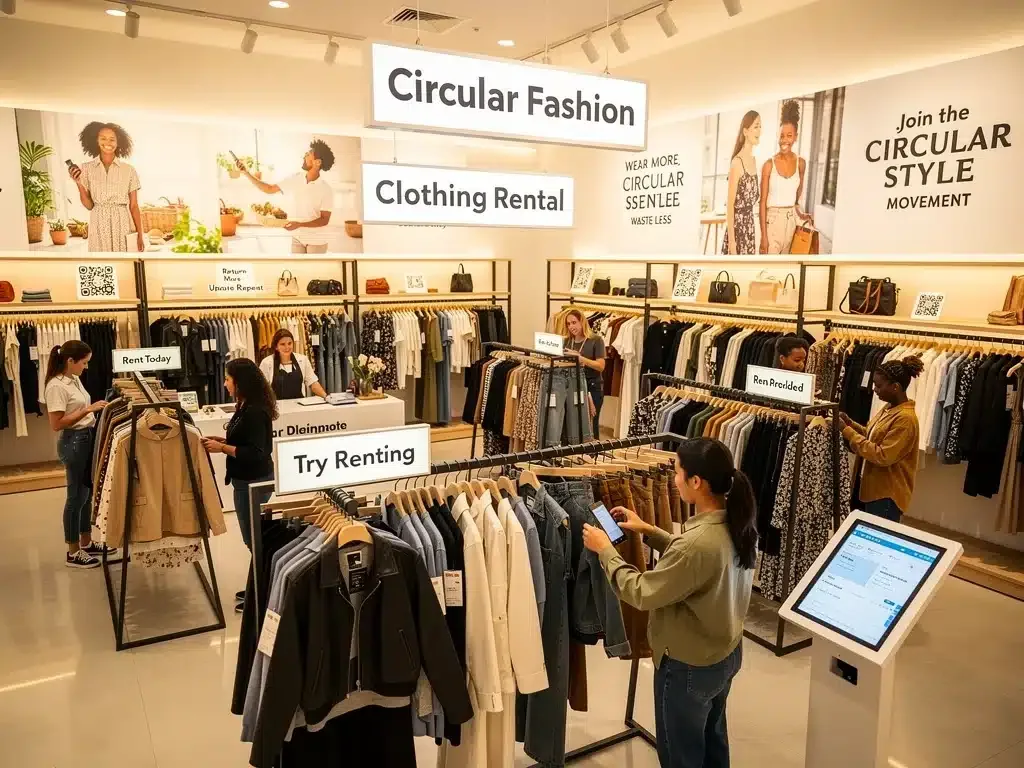
The linear model of ‘take, make, dispose’ is being systematically dismantled by the widespread adoption of circular fashion models across U.S. retail.
Rental services, robust resale platforms, and accessible repair initiatives are transforming how consumers interact with clothing, extending garment lifecycles significantly.
Major retailers and luxury brands alike are integrating these services, making sustainable consumption more convenient and appealing.
This trend not only reduces waste but also democratizes access to high-quality fashion, aligning with evolving consumer values around conscious spending and environmental impact.
Shoppers are embracing these options, driven by both environmental concerns and economic pragmatism, recognizing the value in extending the life of their apparel. This evolution in sustainable fashion trends is becoming a cornerstone of modern retail.
The Growth of Clothing Rental Platforms
Clothing rental platforms are experiencing exponential growth, allowing consumers to access a diverse wardrobe without the commitment of ownership.
This model particularly appeals to younger demographics seeking variety and novelty for special occasions or everyday wear, minimizing textile waste.
The convenience of rental, coupled with the ability to try new styles, positions it as a powerful driver of the circular economy. This trend directly addresses the issue of fast fashion consumption and offers a flexible, sustainable alternative for many.
The Mainstream Appeal of Resale Markets
Resale markets, both online and in physical stores, have moved from niche to mainstream, with consumers actively buying and selling pre-owned clothing. This shift is fueled by a desire for unique items, affordability, and a strong ethical stance against textile waste.
Platforms like ThredUp and Poshmark, alongside brand-specific resale programs, are making it easier than ever to participate in this circular economy. The market for second-hand goods is projected to continue its rapid expansion, becoming a standard part of the shopping experience.
Innovations in Sustainable Materials
Material science is at the forefront of the sustainable fashion revolution, with an explosion of innovative, eco-friendly textiles entering the market.
These new materials offer superior performance and reduced environmental footprints, ranging from bio-based alternatives to advanced recycled fibers.
Brands are actively seeking out and incorporating these next-generation materials, differentiating their products and appealing to environmentally conscious consumers. This push for material innovation is critical for reducing reliance on virgin resources and mitigating pollution.
Consumers can expect to see an increasing array of choices made from materials like mushroom leather, pineapple fibers, and seaweed-derived textiles, pushing the boundaries of what sustainable fashion can achieve.
These innovations are key to understanding the sustainable fashion trends of tomorrow.
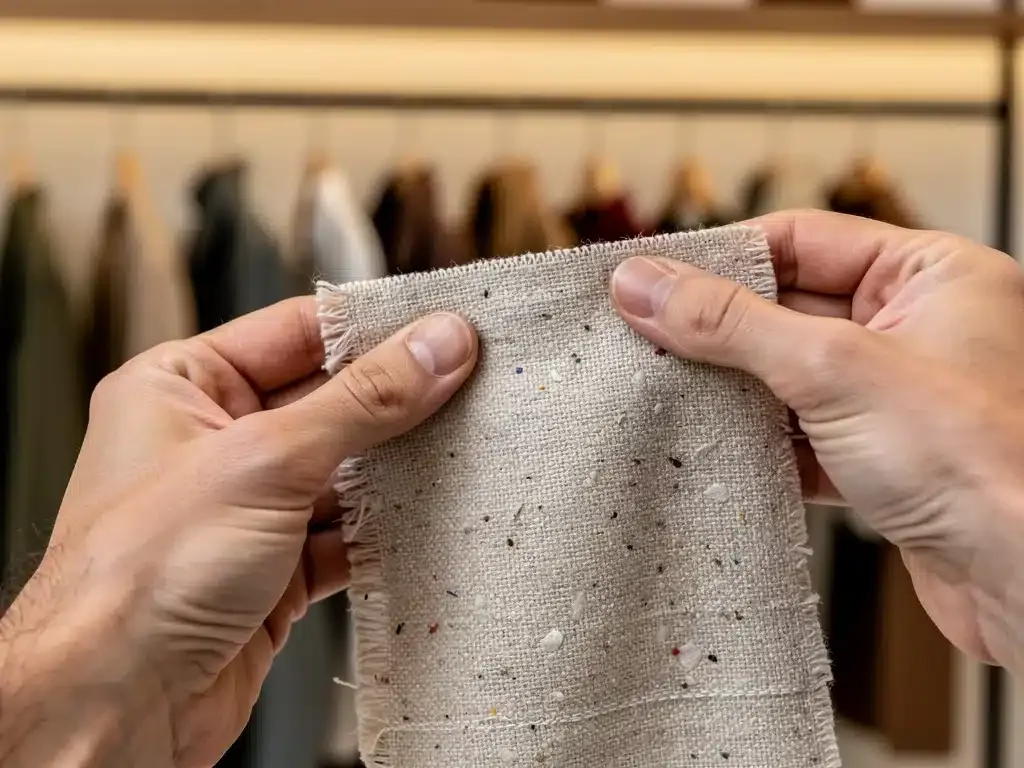
Bio-Based and Plant-Derived Textiles
The development of bio-based textiles, sourced from plants and other natural organisms, offers a promising avenue for reducing the environmental impact of fashion. These materials often require less water and fewer pesticides than traditional crops, and many are biodegradable.
Examples include fabrics made from orange peels, coffee grounds, and agricultural waste, which are transforming waste into valuable resources. This innovation is crucial for creating a truly sustainable supply chain and addressing the urgent need for new material solutions.
Advanced Recycled and Upcycled Fibers
Recycling technologies are becoming increasingly sophisticated, allowing for the creation of high-quality fabrics from post-consumer and post-industrial waste. Upcycling, which involves transforming discarded materials into new products, also plays a vital role in minimizing waste.
These advanced recycled fibers, such as those derived from plastic bottles or old garments, significantly reduce the demand for virgin materials and divert waste from landfills. The focus on these sustainable fashion trends highlights a commitment to resource efficiency.
Transparency and Traceability in Supply Chains
Consumers are demanding greater transparency and traceability from fashion brands, wanting to know the origins of their clothes and the conditions under which they were made.
Brands are responding by implementing sophisticated tracking systems and sharing detailed information about their supply chains.
Blockchain technology, QR codes, and digital product passports are becoming standard tools for verifying ethical sourcing and production practices.
This increased visibility builds trust and empowers shoppers to make more informed decisions, holding brands accountable for their sustainability claims.
The shift towards radical transparency is not just a marketing ploy; it is a fundamental restructuring of industry operations, driven by both consumer pressure and regulatory expectations. This is a critical component of Sustainable Fashion Trends.
Ethical Production and Fair Labor Practices
Beyond environmental concerns, ethical production and fair labor practices remain paramount in the sustainable fashion agenda.
Consumers are increasingly aware of the social impact of their clothing purchases, demanding that workers throughout the supply chain are treated fairly and paid living wages.
Brands are facing heightened scrutiny regarding factory conditions, child labor, and worker exploitation, leading to stronger commitments to ethical sourcing and third-party certifications. This focus on human rights is an integral part of what defines sustainable fashion today.
Certifications like Fair Trade and SA8000 are gaining more prominence, providing consumers with assurances that their garments were produced under ethical conditions. These practices are essential for truly sustainable fashion trends.
Worker Empowerment and Living Wages
Ensuring fair wages and empowering garment workers are central to ethical production.
Many brands are moving beyond minimum wage compliance to actively implement living wage programs, which cover basic needs and provide a decent standard of living for workers and their families.
Worker empowerment initiatives, including opportunities for skill development and representation, are also gaining traction. These efforts foster a more equitable and resilient supply chain, reflecting a holistic approach to sustainability.
Minimalism and Durability: Investing in Quality
The pendulum is swinging away from fast fashion’s disposable nature towards a renewed appreciation for minimalism and durability.
Consumers are increasingly choosing to invest in fewer, higher-quality garments that are designed to last, reducing the need for frequent replacements.
This trend emphasizes timeless designs, superior craftsmanship, and robust materials, encouraging a more thoughtful approach to wardrobe building. The focus is on longevity and versatility, allowing pieces to be worn and styled in multiple ways over many years.
Brands that prioritize durability and offer guarantees or repair services are resonating strongly with this growing segment of conscious consumers. This is a key aspect of the evolving sustainable fashion trends.
The Appeal of Timeless Design
Timeless design is a cornerstone of sustainable fashion, resisting fleeting trends in favor of enduring style. Garments that transcend seasons and fads reduce the pressure to constantly update wardrobes, promoting a more mindful consumption pattern.
Brands are responding by offering classic silhouettes and versatile pieces that can be easily integrated into existing collections. This approach encourages consumers to build a cohesive and long-lasting wardrobe, reducing overall fashion waste.
Digitalization and AI for Sustainable Practices
Technology, particularly digitalization and artificial intelligence, is playing a transformative role in advancing sustainable fashion practices.
From optimizing supply chains to predicting consumer demand and minimizing overproduction, these tools are enhancing efficiency and reducing waste.
AI-driven analytics can help brands make more accurate inventory decisions, preventing excess stock from ending up in landfills. Digital design and 3D prototyping also reduce the need for physical samples, saving materials and energy during the development phase.
For shoppers, this means a more efficient and less wasteful industry, with digital platforms also facilitating easier access to sustainable choices and product information. These technological advancements are integral to Sustainable Fashion Trends.
AI for Demand Forecasting and Waste Reduction
Artificial intelligence is revolutionizing demand forecasting in the fashion industry, allowing brands to predict consumer preferences with unprecedented accuracy. This capability significantly reduces overproduction, a major contributor to textile waste and environmental impact.
By leveraging AI, companies can optimize their inventory levels, ensuring that products are manufactured in quantities that align closely with actual market demand.
This smart approach minimizes unsold stock and the associated resource waste, making the supply chain far more sustainable.
Policy and Regulatory Influence on Sustainability
Government policies and regulatory frameworks are increasingly influencing the pace and direction of sustainable fashion trends in the U.S. retail sector.
Legislation aimed at Extended Producer Responsibility (EPR), waste reduction, and disclosure requirements is pushing brands towards more sustainable practices.
These policies create a level playing field, ensuring that all players in the industry adhere to certain environmental and ethical standards, rather than leaving it solely to voluntary initiatives. Regulatory pressure is a powerful catalyst for systemic change.
Consumers can expect to see more consistent sustainability claims and greater accountability from brands as these regulations take hold, further embedding eco-conscious practices into the industry’s fabric. Understanding policy is crucial for anticipating future sustainable fashion trends.
Extended Producer Responsibility (EPR) Schemes
Extended Producer Responsibility (EPR) schemes are gaining momentum in the fashion industry, holding brands accountable for the entire lifecycle of their products, from design to end-of-life.
These regulations encourage brands to design for durability, recyclability, and repair, reducing waste and promoting circularity.
EPR policies often involve fees or mandates that incentivize brands to take back and properly manage their used products.
This shifts the burden of waste management from consumers and municipalities back to the producers, fostering a more responsible approach to manufacturing and consumption.
| Key Trend | Brief Description |
|---|---|
| Regenerative Agriculture | Sourcing textiles from farming practices that restore soil health and biodiversity. |
| Circular Fashion Models | Emphasis on rental, resale, and repair to extend garment lifecycles and reduce waste. |
| Innovative Materials | Development and adoption of bio-based, recycled, and upcycled textiles. |
| Transparency & Traceability | Brands providing detailed supply chain information through technology like blockchain. |
Frequently Asked Questions About Sustainable Fashion Trends
What defines sustainable fashion in 2026?▼Sustainable fashion in 2026 encompasses practices that minimize environmental impact and promote social equity throughout the entire lifecycle of a garment. This includes ethical sourcing, eco-friendly materials, fair labor, and circular business models. It’s a holistic approach to responsible clothing production and consumption.
How can shoppers identify truly sustainable brands?▼Shoppers can look for brands that provide transparency reports, third-party certifications (e.g., Fair Trade, GOTS), and detailed information about their supply chains. A commitment to innovative sustainable materials, circularity, and ethical labor practices are also strong indicators of genuine sustainability efforts.
What role do new technologies play in sustainable fashion trends?▼New technologies like AI and blockchain are crucial for enhancing supply chain transparency, optimizing demand forecasting to reduce overproduction, and facilitating material innovation. These tools help brands track their impact and make more informed, eco-conscious decisions throughout their operations.
Are sustainable fashion items more expensive?▼While some sustainable fashion items may have a higher upfront cost due to ethical production and high-quality materials, they often offer greater durability and longevity. Additionally, circular models like rental and resale provide affordable access to sustainable fashion, making it more accessible to a wider audience.
How can I participate in circular fashion?▼You can participate in circular fashion by renting clothes for special occasions, buying and selling pre-owned items on resale platforms, and repairing garments instead of discarding them. Many brands now offer take-back programs or repair services, making it easier to extend the life of your clothing.
Looking Ahead: The Future of Sustainable Fashion
The trajectory of Sustainable Fashion Trends indicates a profound shift towards a more responsible and regenerative fashion industry.
These trends are not isolated; they represent an interconnected ecosystem where consumer demand, technological innovation, and regulatory frameworks converge to redefine value.
What happens now involves continued investment in research and development, greater collaboration across the supply chain, and an ongoing dialogue between brands and consumers.
The goal remains a fashion industry that not only minimizes harm but actively contributes to environmental and social well-being.
Shoppers are empowered to drive this change by making informed choices, supporting transparent brands, and embracing circular consumption models. The future of fashion is undeniably sustainable, and understanding these shifts is key to navigating the evolving retail landscape.