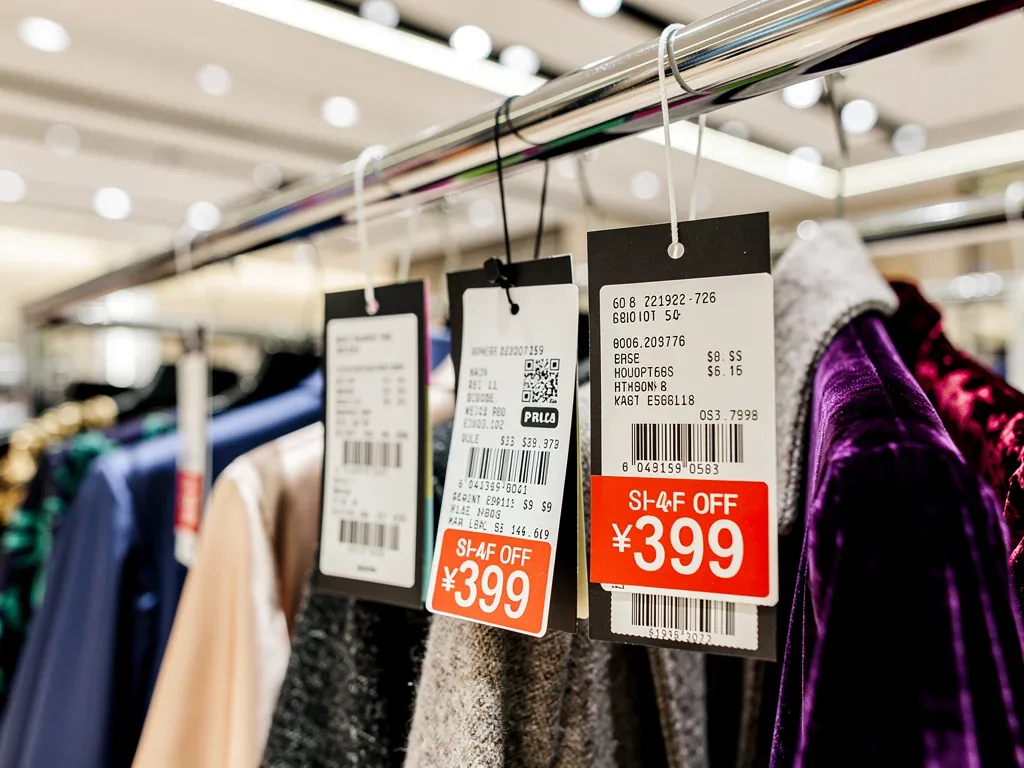
Final Sale Policies: Your Insider’s Guide to Smart Shopping
Advertisements
Have you ever scored a massive 75% discount, only to discover the item doesn’t fit and can’t be returned? Understanding Final Sale Policies before clicking “checkout” is the ultimate secret to snagging real bargains without expensive buyer’s remorse.
When retailers apply non-refundable terms to heavily discounted merchandise, every transaction becomes an absolute commitment. Navigating these strict purchase agreements requires reading store conditions carefully and knowing your rights regarding damaged or misleading items.
Want to protect your hard-earned money while hunting for the best clearance deals? Here is your insider guide to decoding store terms and shopping non-returnable sales like a seasoned pro.
Understanding the ‘Final Sale’ Landscape
The phrase “final sale” often signals a great deal, but it also carries significant implications for consumers. These policies are legally binding agreements that limit your ability to return or exchange items.
Retailers implement final sale policies to clear inventory, especially seasonal or damaged goods, and to reduce operational costs associated with returns. This practice is widespread across various retail sectors, from fashion to electronics.
However, understanding the nuances of final sale policies is crucial to avoid buyer’s remorse, particularly when enticed by substantial discounts. A 75% off deal can be appealing, but only if the purchase truly meets your needs.
The Legal Framework of Final Sale Policies
In the United States, final sale policies are generally permissible as long as they are clearly communicated to the consumer before the purchase. This means the store must inform you, either through signage, on receipts, or verbally, that an item is non-returnable.
Consumer protection laws primarily focus on transparency. If a retailer fails to adequately disclose a final sale policy, you might have grounds to dispute the transaction, though this can often be a challenging process.
It’s important to differentiate between a retailer’s policy and your legal rights concerning defective or misrepresented products. Even with final sale items, goods must generally be fit for their intended purpose and match their description.
Clear Disclosure Requirements
Retailers are typically required to display final sale policies prominently. This often includes signs at the point of sale, tags on the merchandise, or explicit mentions on their websites and checkout pages.
The clarity of these disclosures is paramount. Ambiguous language or hidden terms can undermine the enforceability of a final sale policy, potentially allowing consumers to challenge the non-returnable status.
Always look for explicit statements like “All sales final,” “No returns or exchanges on sale items,” or similar wording. If unsure, always ask a sales associate before completing your purchase.
Common Pitfalls and How to Avoid Them
One of the most common pitfalls with final sale policies is purchasing an item that doesn’t fit or isn’t what you expected. The excitement of a deep discount can often overshadow practical considerations, leading to regrettable purchases.
Another issue arises when an item is defective or damaged, but the consumer is unaware of their rights under a final sale policy. Many believe “final sale” means they forfeit all recourse, which isn’t always the case for faulty goods.
To mitigate these risks, a proactive approach is essential. Thorough inspection, careful consideration, and clear communication with the retailer can prevent many common headaches associated with final sale items.
Inspect Items Thoroughly
- Before purchasing, meticulously examine the item for any defects, damage, or missing parts.
- For clothing, try it on to ensure the fit is correct and comfortable, as sizing can vary between brands.
- For electronics, if possible, test basic functionalities or ask about the store’s in-store testing policy.
Never assume that a deep discount implies a perfect item. Often, items are on final sale precisely because they have minor imperfections or are part of discontinued lines.
Taking a few extra minutes to inspect an item can save you significant frustration and money in the long run. Remember, once you leave the store with a final sale item, your options are severely limited.
When ‘Final Sale’ Might Not Be So Final
Despite the strict wording, there are specific situations where a retailer’s final sale policies might not hold up. These exceptions typically revolve around consumer protection laws designed to ensure fair trade practices.
If an item is found to be defective or not as described, even if purchased on final sale, you may still have rights. This is because consumer goods are generally expected to meet a certain standard of quality and functionality.
Additionally, some retailers, while having a general final sale policy, might offer exceptions for certain circumstances, such as store credit instead of a refund, or exchanges for the same item if a defect is proven. It’s always worth inquiring.
Defective Merchandise and Misrepresentation
Consumer laws in the U.S. generally protect buyers from products that are defective or not fit for their intended purpose. A final sale policy cannot override these fundamental rights.
If you discover a defect after purchase, gather all documentation: receipt, product description, and any communication with the store. Contact the retailer immediately to report the issue.
Should the retailer refuse to address the defect, you may consider filing a complaint with your state’s consumer protection agency or the Better Business Bureau for assistance.

Navigating Online Final Sales
Online shopping introduces additional layers of complexity to final sale policies. While the same principles of clear disclosure apply, the inability to physically inspect an item before purchase changes the dynamic.
Many online retailers have very explicit final sale sections, often requiring you to acknowledge the terms before completing a purchase. Failing to read these terms can lead to significant disappointment.
It is especially important to review sizing charts, material descriptions, and customer reviews when buying final sale items online. These resources can help compensate for the lack of physical interaction with the product.
Understanding Online Disclosures
- Check the product page for specific mentions of “final sale” or “non-returnable.”
- Review the retailer’s general return policy, which usually outlines exceptions for final sale items.
- Look for pop-up windows or checkboxes at checkout that require acknowledgment of final sale terms.
The convenience of online shopping often comes with the caveat of detailed policy review. What seems like a straightforward purchase can become complicated if return options are severely limited by final sale terms.
Always save confirmation emails and screenshots of product descriptions and policy pages. This documentation can be vital if you need to dispute a purchase later, especially if the item arrives damaged or not as described.
The Role of Credit Card Protections
Your credit card company can be a valuable ally when dealing with problematic final sale policies. Many credit cards offer purchase protection benefits, including extended warranties or return protection for eligible items.
If a retailer refuses to address an issue with a final sale item that is defective or was misrepresented, initiating a chargeback through your credit card provider might be an option. This process allows your bank to investigate the transaction and potentially reverse the charge.
However, chargebacks are not guaranteed and require solid documentation. It’s crucial to understand your credit card’s specific protections and the conditions under which they apply to final sale purchases.
When to Consider a Chargeback
A chargeback should generally be a last resort after attempting to resolve the issue directly with the retailer. It is typically appropriate for situations where the item is defective, significantly not as described, or if the retailer failed to disclose the final sale policy adequately.
To initiate a chargeback, you’ll need to provide your credit card company with all relevant information, including receipts, communication with the store, and evidence of the defect or misrepresentation. Be prepared to present a strong case.
Be aware that frequent chargebacks can sometimes impact your relationship with your bank. Use this option judiciously and only when you have exhausted other avenues for resolution regarding final sale policies.
Retailer Best Practices and Consumer Expectations
Responsible retailers understand that clear communication builds trust, even with final sale policies. Best practices include making policies highly visible, using unambiguous language, and training staff to explain terms clearly.
Some retailers go above and beyond, offering store credit or exchanges for final sale items under specific conditions, even if not legally required. This goodwill can significantly enhance customer loyalty.
Consumers, in turn, are expected to exercise due diligence. This means reading signs, asking questions, and understanding that a heavily discounted item often comes with a trade-off in return flexibility.

Building Trust Through Transparency
Transparency in final sale policies is a cornerstone of positive customer relations. When policies are clear and accessible, consumers can make informed decisions, reducing potential disputes and dissatisfaction.
Retailers who clearly outline their final sale terms, both in-store and online, empower shoppers. This approach fosters an environment where customers feel respected and understand the parameters of their purchase.
Conversely, unclear or misleading final sale disclosures can erode trust, leading to negative reviews and a damaged brand reputation, which ultimately harms the retailer more than a few returns.
Maximizing Value from Final Sale Deals
To truly benefit from a 75% off deal under final sale policies, strategic shopping is key. This involves more than just finding a low price; it means finding the right low price for the right item.
Consider items that you are confident about in terms of fit, quality, and need. Basics, electronics you’ve researched extensively, or items you know you’ll use immediately are often safer bets.
Avoid impulse purchases on final sale items, especially for untested brands or styles you’re unsure about. The allure of a discount can be powerful, but a thoughtful approach yields better long-term satisfaction.
Smart Shopping Strategies
- Buy trusted brands: Stick to brands whose sizing and quality you are familiar with to minimize fit and defect risks.
- Focus on essentials: Purchase items you know you need and will use regularly, rather than speculative fashion pieces.
- Do your research: For high-value items, read reviews and compare specifications before committing to a final sale.
A successful final sale purchase is one where the value of the discount outweighs the risk of not being able to return it. This balance is achieved through careful planning and informed decision-making.
Remember that a great deal is only great if the item serves its purpose and brings you satisfaction. Otherwise, even a heavily discounted item can become a costly mistake under strict final sale policies.
The Future of Final Sale Policies in Retail
As retail evolves, so too might the application and interpretation of final sale policies. The rise of e-commerce and increasing consumer awareness are pushing retailers towards greater transparency and flexibility.
While the core concept of final sale will likely remain, we may see more nuanced policies emerge. This could include tiered return options for different discount levels or more robust in-store testing facilities for online purchases.
Consumer advocacy groups continue to play a vital role in shaping these discussions, ensuring that shoppers’ rights are balanced with retailers’ needs to manage inventory and profitability effectively.
Evolving Consumer Demands
Modern consumers expect convenience and flexibility, even when seeking discounts. Retailers are increasingly responding by refining their policies to meet these expectations while still protecting their bottom line.
The push for sustainability also impacts final sale items, as retailers look for ways to reduce waste from unsold goods without solely relying on restrictive return policies. This could lead to more innovative solutions for inventory management.
Ultimately, the future of final sale policies will likely be a dynamic interplay between market forces, technological advancements, and ongoing dialogue between consumers, retailers, and regulatory bodies.
| Key Aspect | Brief Description |
|---|---|
| Policy Disclosure | Must be clear and visible before purchase to be legally binding. |
| Consumer Rights | Final sale doesn’t negate rights for defective or misrepresented goods. |
| Online Shopping | Requires extra diligence on sizing, descriptions, and policy checks. |
| Credit Card Protection | May offer recourse for disputes if retailer is uncooperative. |
Frequently Asked Questions About Final Sale Policies
“Final sale” means an item cannot be returned, exchanged, or refunded once purchased. Retailers use this policy to clear inventory, and it’s legally enforceable if clearly communicated at the time of sale. Always ensure you understand these terms before completing your transaction, especially for high-value items or significant discounts.
Generally, yes. Consumer protection laws in the U.S. stipulate that goods must be fit for their intended purpose and free from defects, even if sold as “final sale.” If an item is genuinely defective, you should contact the retailer. If they refuse, credit card companies or consumer protection agencies might offer recourse.
To avoid regret when encountering final sale policies, thoroughly inspect the item for any flaws, ensure correct sizing or compatibility, and consider your true need for the product. For online purchases, carefully review product descriptions, sizing charts, and customer reviews. Don’t let a deep discount overshadow practical considerations.
While the principle is the same, online final sales require extra vigilance due to the inability to physically inspect items. Online retailers must clearly disclose their policies on product pages and at checkout. Always check specific return terms for online final sale items, as some may offer limited exceptions like store credit for certain scenarios.
If a retailer fails to clearly disclose their final sale policies before you complete a purchase, you might have grounds to dispute the non-returnable status. Lack of clear communication can undermine the policy’s enforceability. Document everything and contact customer service, and if unresolved, consider escalating the issue to consumer protection bodies.
What this teaches
Understanding final sale policies is not merely about snagging a deal; it’s about informed consumerism. This guide highlights that while deep discounts are attractive, they come with specific conditions that demand your attention.
Knowing your rights, inspecting products, and leveraging available protections ensures that a 75% off sticker truly translates into savings rather than a costly mistake, empowering you to navigate the retail landscape with confidence and intelligence.