The Impact of AI on Fashion: 4 Ways Technology is Reshaping Personal Style in 2026
Advertisements
Imagine opening your closet each morning to find curated outfits designed specifically for your body type, schedule, and personal aesthetic. The rise of AI in Fashion is turning this futuristic dream into an everyday reality, transforming how we discover, select, and wear our clothes.
Advanced styling algorithms and hyper-personalized recommendations are rapidly replacing traditional trend forecasting. These intelligent digital assistants analyze your unique tastes to help you curate a cohesive wardrobe, eliminating decision fatigue and impulse buying.
This technological evolution goes far beyond online recommendations—it puts a virtual personal stylist right in your pocket. Get ready to elevate your individual style, streamline your daily outfit choices, and build a more intentional closet.
AI-Powered Design and Trend Forecasting
Artificial intelligence is revolutionizing the initial stages of fashion creation by offering powerful tools for design and trend forecasting.
Algorithms can analyze vast datasets, including social media trends, sales figures, and even street style photography, to predict upcoming styles with remarkable accuracy, influencing collections long before they hit the runways.
This predictive capability allows designers to make data-driven decisions, reducing risks associated with new collections and ensuring that products resonate with consumer demand. The result is a more efficient design process, minimizing waste and maximizing profitability for brands.
Furthermore, AI-driven design tools enable rapid prototyping and iteration, allowing designers to experiment with countless variations of patterns, colors, and silhouettes. This accelerates the creative process, bringing innovative concepts to market much faster than traditional methods.
Generative Design Algorithms
Generative adversarial networks (GANs) are at the forefront of AI-powered design, capable of creating entirely new clothing designs based on learned aesthetics.
These algorithms can produce unique patterns, textures, and even full garment concepts, pushing the boundaries of creative expression.
This technology empowers designers to explore novel ideas and overcome creative blocks, offering fresh perspectives that might not emerge from human-only ideation. The collaboration between human creativity and AI efficiency is forging a new era of fashion innovation.
- AI analyzes historical fashion data to identify recurring patterns and successful design elements.
- Generative models create novel designs, patterns, and color palettes based on specific parameters.
- Designers can refine AI-generated concepts, blending technological output with human artistic vision.
Enhanced Trend Prediction Accuracy
AI’s ability to process and interpret massive amounts of real-time data from various sources significantly enhances trend forecasting accuracy.
This includes everything from global economic indicators to micro-influencer activities on platforms like TikTok and Instagram, providing a holistic view of emerging styles.
By identifying nascent trends early, brands can strategically plan their production and marketing efforts, ensuring their offerings are timely and relevant. This proactive approach helps fashion companies stay ahead in a highly competitive and fast-paced industry.
The precision of AI in forecasting reduces the guesswork traditionally involved in predicting consumer tastes, leading to more targeted product development. This directly contributes to reducing overproduction and aligns with more sustainable business practices.

Personalized Styling and Shopping Experiences
The Impact of AI on Fashion is most evident in the realm of personalized styling and shopping. AI algorithms are now sophisticated enough to understand individual preferences, body types, and lifestyle needs, offering highly customized recommendations that were previously unimaginable.
Online retailers leverage AI to create virtual try-on experiences, allowing customers to visualize how garments will look on them before making a purchase. This reduces return rates and enhances customer satisfaction, making online shopping more convenient and reliable.
Personalized recommendations extend beyond just clothing, encompassing accessories, footwear, and even styling advice tailored to specific events or moods. This level of personalization transforms the shopping journey from a generic transaction into a curated experience.
Virtual Try-On Technologies
Virtual try-on solutions, powered by augmented reality (AR) and AI, are becoming increasingly common, offering an immersive way to shop for clothes. Users can virtually try on outfits using their smartphone cameras, seeing how different items fit and drape on their digital avatars.
This technology addresses one of the biggest challenges of online fashion retail: the inability to physically try on clothes. It provides a more confident purchasing decision, bridging the gap between the digital and physical shopping experiences.
The convenience and accuracy of virtual try-on are set to become standard, significantly impacting how consumers interact with fashion brands. This innovation is a key driver in reshaping personal style in 2026, making personalized fashion accessible to all.
AI-Powered Personal Stylists
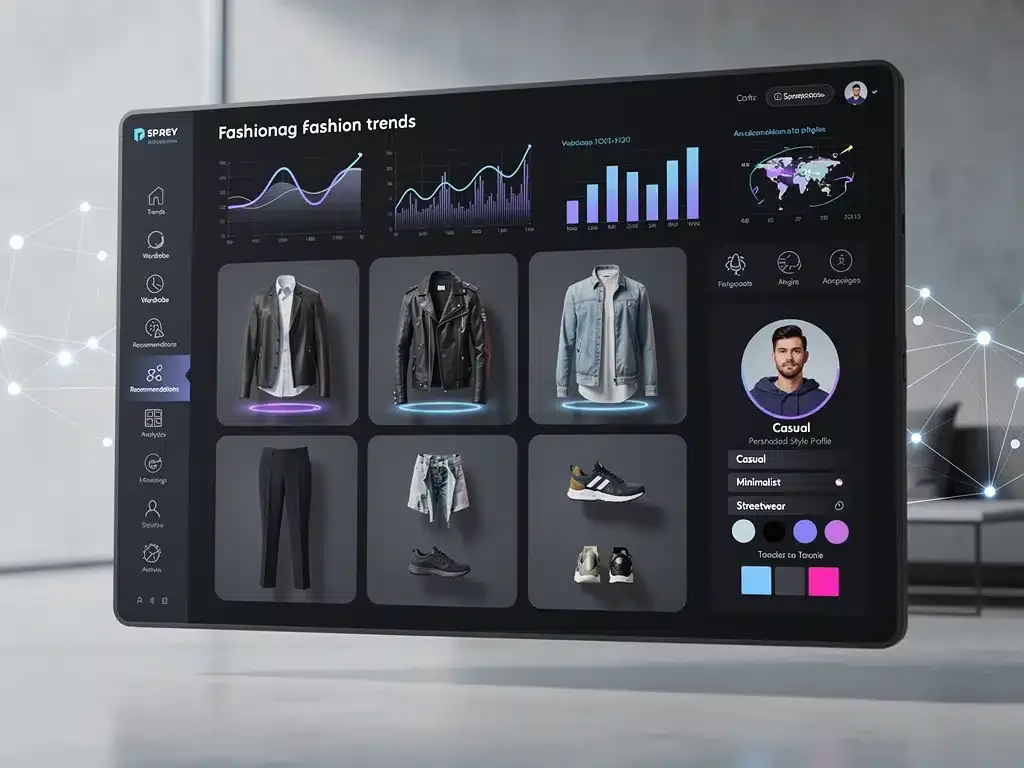
AI-driven personal stylists analyze a user’s style history, purchase behavior, and even social media activity to provide highly relevant outfit suggestions. These digital stylists can adapt to evolving tastes and recommend pieces that complement existing wardrobes.
These platforms often incorporate natural language processing (NLP) to understand nuanced requests and preferences, making the interaction feel more human-like. The goal is to replicate the experience of a knowledgeable personal shopper, available 24/7.
- AI analyzes past purchases and browsing history to understand individual style preferences.
- Algorithms consider body measurements and shape to recommend flattering silhouettes.
- Real-time feedback mechanisms allow AI stylists to learn and adapt to changing user tastes.
Sustainable Fashion Practices Through AI
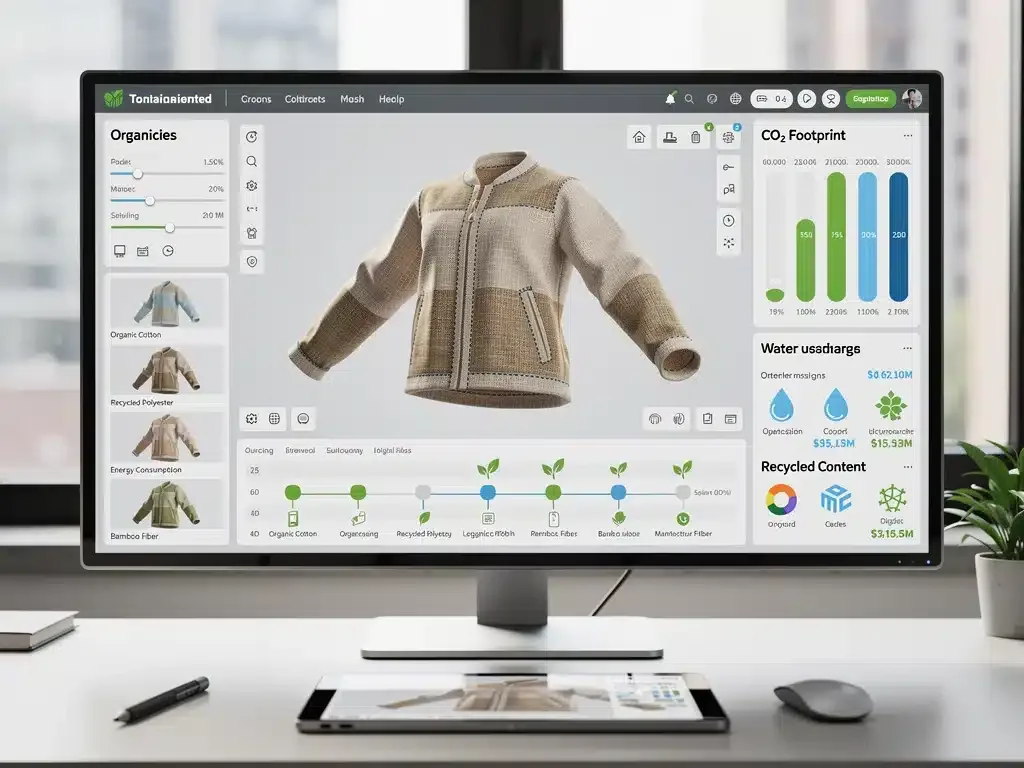
Sustainability is a major concern in the fashion industry, and The Impact of AI on Fashion offers powerful solutions. AI can optimize supply chains, reduce waste, and promote ethical production practices, making fashion more environmentally friendly.
From tracking raw materials to predicting demand, AI provides insights that help brands minimize their environmental footprint. This includes reducing excess inventory, optimizing logistics to lower carbon emissions, and identifying sustainable material alternatives.
AI also enables circular fashion models by facilitating garment recycling and resale. By identifying materials and components, AI can streamline the sorting and processing of textiles, extending the lifecycle of clothing items.
Optimized Production and Inventory Management
AI systems can predict demand with greater accuracy, allowing manufacturers to produce only what is needed, thereby reducing overproduction and waste. This precision in inventory management minimizes unsold stock, a significant contributor to fashion’s environmental impact.
Furthermore, AI can optimize cutting patterns to minimize fabric waste during garment production. This seemingly small adjustment can lead to substantial reductions in material consumption across the industry.
The ability to fine-tune production based on real-time data makes the entire supply chain more agile and responsive to market changes, fostering a more sustainable and efficient operational model.
Traceability and Ethical Sourcing
AI and blockchain technology are being combined to create transparent and traceable supply chains. This allows consumers to track the origin of their clothes, from raw material to finished product, ensuring ethical sourcing and fair labor practices.
By providing verifiable information about a product’s journey, AI helps combat greenwashing and builds consumer trust in sustainable claims. This transparency is crucial for brands committed to ethical production.
The enhanced traceability powered by AI promotes accountability across the supply chain, encouraging brands to adopt more responsible practices. This is a vital step toward a truly sustainable fashion future.
Enhanced Retail Experiences and Customer Engagement
The retail landscape is being dramatically reshaped by The Impact of AI on Fashion. AI-driven tools are enhancing customer engagement, streamlining operations, and creating more interactive and personalized shopping environments, both online and in physical stores.
Chatbots and virtual assistants powered by AI provide instant customer support, answer product queries, and guide shoppers through their purchasing journey. This improves efficiency and customer satisfaction, offering round-the-clock assistance.
In-store AI applications include smart mirrors that offer styling advice and virtual try-ons, as well as AI-powered analytics that help retailers optimize store layouts and product placements. These innovations create a more engaging and efficient shopping experience.
AI in Customer Service and Support
AI-powered chatbots and virtual assistants are becoming indispensable for handling customer inquiries, providing product information, and assisting with returns. These tools offer immediate responses, significantly reducing wait times and improving the overall customer service experience.
These systems can also analyze customer feedback to identify common issues and areas for improvement, providing valuable insights for brands to enhance their offerings and services. The continuous learning capabilities of AI ensure that support becomes increasingly effective over time.
- AI chatbots provide instant answers to frequently asked questions, improving response times.
- Virtual assistants guide customers through personalized shopping journeys based on their preferences.
- AI analyzes customer interactions to identify pain points and optimize service delivery.
Dynamic Pricing and Inventory Optimization
AI enables dynamic pricing strategies that adjust product prices in real-time based on demand, inventory levels, competitor pricing, and other market factors. This maximizes revenue for retailers while offering competitive prices to consumers.
Beyond pricing, AI optimizes inventory across multiple channels, ensuring that products are available where and when customers want them. This reduces stockouts and overstock situations, improving operational efficiency and profitability.
The precision of AI in managing these complex variables allows retailers to respond swiftly to market fluctuations, maintaining a competitive edge. This adaptability is critical in the fast-paced world of fashion retail.
| Key Aspect | Impact Description |
|---|---|
| AI Design & Trends | Accelerates creation, predicts styles, reduces market risk. |
| Personalized Styling | Offers virtual try-ons, custom recommendations, enhancing shopping. |
| Sustainable Practices | Optimizes production, reduces waste, ensures ethical sourcing. |
| Enhanced Retail | Improves customer service, optimizes inventory, dynamic pricing. |
Frequently Asked Questions About AI in Fashion
How will AI impact fashion design by 2026?▼By 2026, AI will significantly enhance fashion design through generative algorithms that create novel patterns and silhouettes. It will also provide highly accurate trend forecasts, allowing designers to make data-driven decisions that reduce waste and align with consumer demand more effectively.
Can AI truly personalize my style?▼Yes, AI is already capable of personalizing style by analyzing individual preferences, body types, and purchase history. By 2026, AI-powered personal stylists and virtual try-on technologies will offer highly customized recommendations, making shopping more intuitive and tailored to each user’s unique aesthetic.
What role does AI play in sustainable fashion?▼AI plays a crucial role in sustainable fashion by optimizing production to reduce waste and enhancing inventory management. It also aids in tracing supply chains for ethical sourcing and promotes circular fashion models by facilitating the recycling and reuse of garments, leading to a more eco-conscious industry.
How will AI change the retail experience in fashion?▼AI will transform fashion retail by providing enhanced customer service through chatbots and virtual assistants. It will also enable dynamic pricing, optimize store layouts, and create interactive in-store experiences like smart mirrors, making shopping more efficient, engaging, and personalized for consumers.
Is AI making human designers obsolete?▼No, AI is not making human designers obsolete; rather, it serves as a powerful tool to augment their creativity and efficiency. AI handles data analysis and repetitive tasks, freeing designers to focus on innovation and artistic expression. The future of fashion lies in the collaborative synergy between human creativity and AI capabilities.
Looking Ahead: The Future of Fashion with AI
The profound Impact of AI on Fashion signals a new era for the industry.
This technological integration is not merely a trend but a foundational shift, promising a future where fashion is more personalized, sustainable, and responsive to consumer needs.
Brands and consumers alike must adapt to these advancements to fully harness the benefits of AI-driven innovation. The continuous evolution of AI will further refine these four key areas, leading to an even more dynamic and interconnected fashion ecosystem.