Cut Your Wardrobe Budget by 40% Using Seasonal Inventory Turnover Calendars
Advertisements
Want to Cut Your Wardrobe Budget by 40% without sacrificing your personal style? Timing your purchases around seasonal inventory turnover calendars is the insider secret to paying a fraction of retail prices.
Retailers follow strict, predictable cycles to clear out old stock and make room for new arrivals. Knowing exactly when those markdown windows hit lets you score high-quality pieces at massive discounts.
Instead of falling for full-price impulse buys, you can plan your shopping around these clearance schedules to maximize your fashion savings. Here is how to use retail calendar tricks to keep more money in your pocket all year long.
Mastering Seasonal Retail Cycles for Maximum Savings
The core principle behind the ability to Cut Your Wardrobe Budget lies in understanding how retailers manage their stock. Stores operate on predictable seasonal cycles, clearing out old inventory to make room for new collections.
These inventory turnover events create prime opportunities for consumers to purchase items at significantly reduced prices. Timing your purchases around these clearance periods is crucial for maximizing savings.
By aligning your shopping habits with these retail rhythms, you can acquire high-quality clothing and accessories at a fraction of their original cost. This proactive strategy transforms casual shopping into a deliberate, budget-conscious activity.
Understanding Inventory Turnover
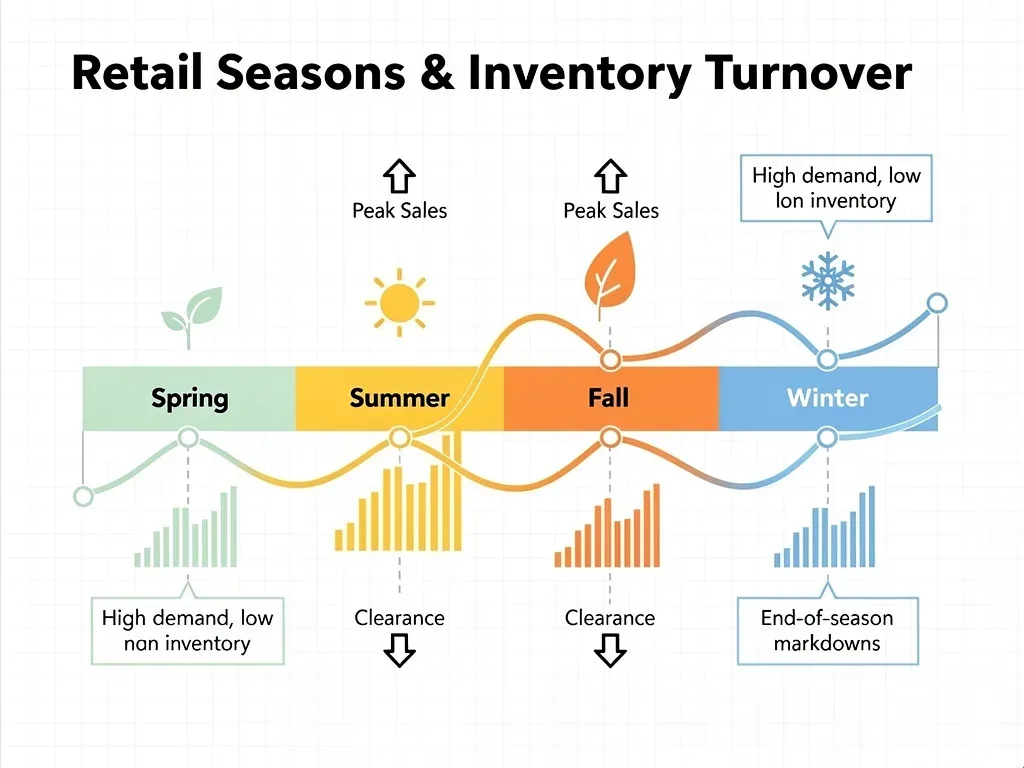
Inventory turnover refers to the number of times a company sells and replaces its inventory over a specific period. For fashion retailers, this typically aligns with the four seasons, plus major holiday periods.
As new seasons approach, retailers initiate sales to clear out items from the outgoing season. This practice is essential for maintaining fresh stock and optimizing store space.
Consumers who monitor these cycles can anticipate when specific items will go on sale. This foresight is a powerful tool for anyone looking to make informed purchasing decisions and effectively Cut Your Wardrobe Budget by 40%.
Spring Clearance: Typically occurs in late winter/early spring to clear out winter wear.
Summer Clearance: Begins in mid-to-late summer, making way for fall collections.
Fall Clearance: Starts in late fall, preparing for holiday and winter merchandise.
Winter Clearance: Post-holiday sales in late December and January to move out holiday and deep winter stock.
Identifying Key Periods to Cut Your Wardrobe Budget
To effectively Cut Your Wardrobe Budget, identifying the precise timing of these sales events is paramount. While general seasonal shifts are clear, specific retailers may have slightly varied schedules.
Monitoring your favorite brands and stores for their specific clearance announcements can provide an edge. Signing up for newsletters or following social media accounts often provides early notifications of upcoming sales.
Historical data also plays a significant role; past sale patterns often predict future ones. This enables a more accurate forecast of when the best deals will emerge, allowing for strategic planning.
Mid-Season Sales and Holiday Events
Beyond the major seasonal turnovers, retailers also host mid-season sales and participate in significant holiday shopping events. These occasions provide additional opportunities for savings.
Events like Black Friday, Cyber Monday, and Memorial Day sales are well-known for deep discounts across various product categories, including fashion. These periods are excellent for purchasing higher-ticket items.
Furthermore, many brands offer flash sales or special promotions during less conventional times, often announced to loyalty program members first. These exclusive offers can significantly help to Cut Your Wardrobe Budget by 40%.
Black Friday/Cyber Monday: Late November, offering substantial discounts across categories.
Flash sales or special promotions during less conventional times, often announced to loyalty program members first. These exclusive offers can significantly help to Cut Your Wardrobe Budget.
Post-Christmas Sales: Late December to early January, clearing holiday and winter inventory.
Memorial Day/Labor Day Sales: Early summer and early fall, marking transitions between seasons.
Strategic Planning for Optimal Wardrobe Acquisitions
Effective planning is the cornerstone of successfully implementing strategies to Cut Your Wardrobe Budget. This involves more than just knowing when sales happen; it requires foresight into your own wardrobe needs.
Creating a detailed inventory of your current clothing and identifying gaps or upcoming needs allows for targeted shopping. This prevents impulse purchases and ensures every acquisition serves a purpose.
Consider future events, such as weddings, vacations, or professional changes, that might necessitate new attire. Planning these purchases during opportune sale windows can lead to considerable savings.

Building a Versatile Core Wardrobe
Focusing on a versatile core wardrobe of timeless pieces is a smart strategy to maximize longevity and minimize frequent spending. These foundational items can be mixed and matched, reducing the need for numerous specialized outfits.
Investing in high-quality basics during sales periods ensures durability and style that transcends fleeting trends. This approach supports the goal to Cut Your Wardrobe Budget by making each purchase count.
Once a strong core is established, more trendy or seasonal items can be added judiciously and often at discounted prices. This balanced approach ensures both practicality and style without overspending.
Monitoring sales for specific brands known for their quality core pieces is a key tactic. Waiting for these items to hit clearance can provide significant value.
Leveraging Online Resources and Price Tracking Tools
In today's digital age, numerous online resources and tools can significantly aid efforts to Cut Your Wardrobe Budget. These platforms offer real-time insights into sales, price drops, and inventory levels.
Price tracking websites and browser extensions alert consumers when desired items go on sale. This eliminates the need for constant manual checking and ensures you don't miss a prime buying opportunity.
Additionally, dedicated fashion forums and social media groups often share insider tips on upcoming sales and discount codes. These communities can be invaluable for staying informed about the best deals.
Utilizing Retailer Newsletters and Loyalty Programs
Signing up for email newsletters from your preferred retailers is a simple yet effective way to stay informed about sales. Many stores offer exclusive discounts and early access to promotions for subscribers.
Loyalty programs also provide significant benefits, including points that convert to discounts, birthday rewards, and personalized offers. These perks can further enhance your ability to Cut Your Wardrobe Budget by 40%.
Sometimes, retailers provide special incentives for first-time sign-ups, such as a percentage off your next purchase. These small advantages accumulate over time, contributing to overall savings.
The Impact of Fast Fashion on Budgeting and Sustainability
While the focus is on how to Cut Your Wardrobe Budget, it is also important to consider the broader context of fashion consumption. Fast fashion's rapid cycles can complicate budgeting if not approached strategically.
The constant influx of new, inexpensive trends can tempt consumers to make frequent, low-cost purchases that add up over time. This often leads to a larger, less cohesive wardrobe and potentially more waste.
Balancing the desire for new items with the principles of sustainable consumption is key. Opting for quality over quantity, even during sales, aligns with both financial and environmental goals.
Conscious Consumption and Wardrobe Longevity
Adopting a conscious consumption mindset involves purchasing items that are durable, versatile, and align with your personal style for the long term. This contrasts with the disposable nature of some fast fashion.
When you strategically acquire timeless pieces during seasonal sales, you are investing in a wardrobe that serves you for years, not just a single season. This approach inherently helps to Cut Your Wardrobe Budget by reducing replacement frequency.
Repairing and caring for existing garments also extends their life, further reducing the need for new purchases. This holistic view of wardrobe management maximizes value from every item owned.
Forecasting Future Trends and Planning Purchases Ahead
An advanced strategy to Cut Your Wardrobe Budget involves a degree of trend forecasting. While not always easy, understanding general fashion directions can inform your long-term purchasing plans.
Observing runway shows, fashion magazines, and industry reports can provide clues about upcoming colors, silhouettes, and fabrics. This knowledge allows you to anticipate what might be relevant in future seasons.
By identifying enduring trends or classic styles that are likely to resurface, you can acquire these items during off-season sales, well before they become popular again and potentially full-price.
Anticipating Needs for Specific Events
Life events often necessitate specific clothing purchases. Rather than buying last-minute at full price, anticipating these needs allows for strategic shopping during sales periods.
For instance, if a formal event is on the horizon, monitoring formal wear sales several months in advance can yield significant savings. The same applies to specialized items like swimwear or winter coats.
This proactive approach ensures that when the need arises, you already have suitable options acquired at a budget-friendly price, effectively helping to Cut Your Wardrobe Budget.
Maintaining a wish list of desired items and their target sale prices can streamline this process. When a sale hits, you can quickly assess if an item meets your criteria and budget.
The Role of Off-Price Retailers and Outlet Stores
Beyond traditional seasonal sales, off-price retailers and outlet stores play a crucial role in helping consumers Cut Your Wardrobe Budget by 40%. These stores specialize in selling merchandise at reduced prices year-round.
Off-price stores like TJ Maxx and Marshalls acquire surplus inventory, past-season items, and even specially made collections from designers and manufacturers. This allows them to offer significant discounts continuously.
Outlet malls feature stores directly operated by brands, often selling items specifically manufactured for the outlet or past-season overstock. While selection can vary, the savings potential is high.
Navigating Off-Price Shopping Effectively
Shopping at off-price retailers requires patience and a keen eye. Inventory changes frequently, so regular visits can increase your chances of finding exceptional deals on quality items.
It is important to inspect items for any imperfections, as some merchandise might be factory seconds or have minor flaws. However, many items are perfectly fine and represent excellent value.
Combining off-price shopping with seasonal sales from traditional retailers creates a comprehensive strategy to Cut Your Wardrobe Budget by 40%, diversifying your sources for discounted fashion.
Long-Term Benefits and Financial Empowerment
Successfully applying the strategies to Cut Your Wardrobe Budget extends beyond immediate savings. It fosters a sense of financial empowerment and improved money management skills.
The discipline required to plan purchases, track sales, and resist impulse buying translates into better financial habits across other areas of your life. This cultivates a more mindful approach to spending.
The accumulated savings can be redirected towards other financial goals, such as investments, debt reduction, or emergency funds. This demonstrates the broader impact of smart shopping strategies.
Cultivating a Mindful Approach to Fashion
By becoming a more discerning shopper, you develop a deeper appreciation for quality and value. This mindful approach encourages thoughtful choices rather than reactive consumption, leading to a more curated and satisfying wardrobe.
Understanding the retail landscape and your own consumption patterns empowers you to make choices that align with both your personal style and financial well-being. This creates a sustainable model for wardrobe management.
Ultimately, the ability to Cut Your Wardrobe Budget by 40% is a skill that offers lasting benefits, providing both immediate financial relief and long-term economic advantages.
Key Point | Brief Description |
|---|---|
Seasonal Sales | Leverage end-of-season clearance for major discounts. |
Inventory Turnover | Understand retail cycles to predict optimal shopping times. |
Strategic Planning | Plan purchases based on needs and upcoming sales events. |
Online Tools | Use price trackers and newsletters for timely deal alerts. |
Frequently Asked Questions About Wardrobe Budgeting
What are seasonal inventory turnover calendars?▼
Seasonal inventory turnover calendars are predictable schedules retailers follow to clear out old stock and introduce new collections. These periods, typically at the end of each fashion season, offer significant discounts on clothing and accessories as stores make room for incoming merchandise.
How much can I save by using these calendars?▼
By strategically timing your purchases with seasonal inventory turnover calendars, you can expect to save up to 40% or more on your wardrobe budget. These savings come from purchasing items during deep clearance sales rather than at full price or early-season discounts.
When are the best times to shop for seasonal clearances?▼
The best times are typically late winter for spring items, mid-to-late summer for summer apparel, late fall for autumn collections, and post-holiday season (late December/January) for winter wear. Major holidays like Black Friday also offer significant discounts across all categories.
Are there tools to help track these sales?▼
Yes, numerous online resources can assist. Price tracking websites, browser extensions, and retailer newsletters provide alerts on price drops and upcoming sales. Following your favorite brands on social media can also offer early notifications of clearance events and exclusive promotions.
Does this strategy work for all types of clothing?▼
This strategy is highly effective for most clothing types, especially seasonal items like coats, swimwear, and dresses. Even timeless basics often see discounts during these periods. However, very new arrivals or highly coveted designer pieces might have more limited discounts.
Perspectives
The ability to Cut Your Wardrobe Budget by 40% represents a significant shift towards more informed consumer behavior. This approach offers not only immediate financial benefits but also promotes a more sustainable and mindful way of building a personal wardrobe.
As economic pressures continue, understanding and leveraging these retail cycles will become an indispensable skill for savvy shoppers, transforming how individuals approach fashion consumption in the long term.